Build My Mazda
Let the redesign and delivery of the ‘Build My Mazda’ car configuration experience, raising completion rates from 4% to over 60%. Lifted ‘Save to Email’ rate and ‘Test Drive’ bookings significantly.
Client
Mazda Australia
Role
Senior UX UI Designer
Team
Product / Dev / Marketing / Dealership
Duration
Jun 2022 - Sep 2022
-
Uncover the right problems to solve
Identified the root cause of high drop-off before lead capture
Identified where users disengaged using analytics
Simplified the configuration flow
Elevate organisational UX maturity
Introduced multiple ways of UX research methods and new tools within the budget to deepen understanding of customer behaviours
Enabled regular dealership visits for the team to gather real-world customer insights
Project goals
Why this project mattered
Build My Mazda is the primary online customer journey on the website of Mazda Australia, allowing users to configure and visualise their future vehicle while supporting key conversion actions such as ‘save configuration to email’ and ‘book test drive’.
After 3 years of 2 versions of development with an external vendor, the journey still had several critical usability and performance issues. Mazda Australia decided to bring the platform in-house, creating an opportunity to build UX capability in-house and redesign the journey based on stronger customer insights.
The challenges
What I was facing
-
Limited visibility into user behaviour. The previous qualitative analytics tools were pretty outdated.
-
The engineering team has multiple changes in development leads. Most of the time, there is only one full stack developer supporting this project.
Discovery
Swift research phase
To define the problem accurately, I initiated regular dealership visits to gather real-world customer insights. There, I observed and interviewed the sales staff to understand customer behaviours.
I also facilitated solution workshops with team and key stakeholders to discover problems, brainstorm possibilities and analyse solutions.
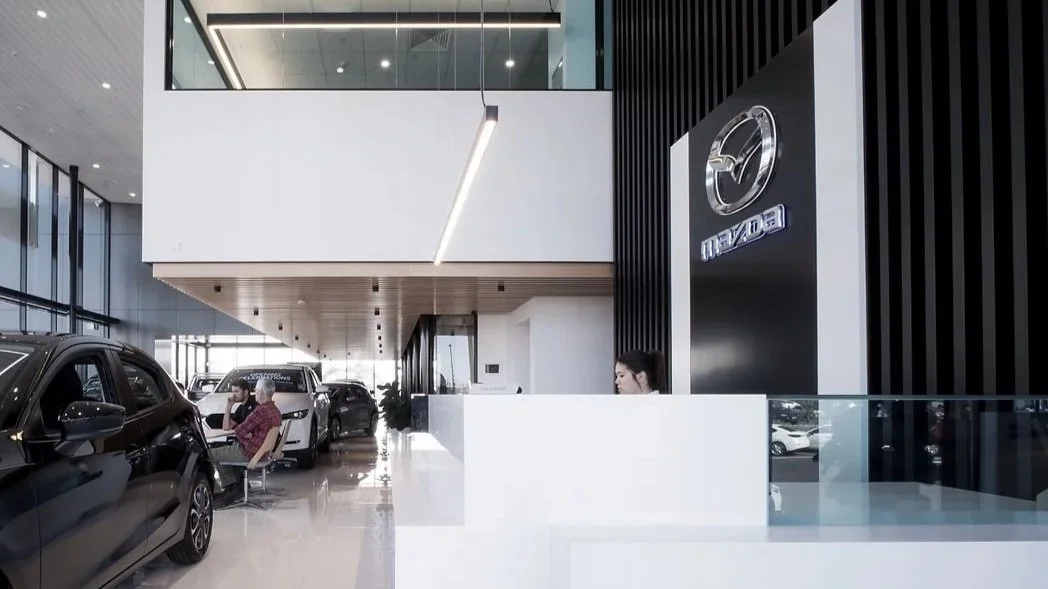
Dealership visit in Mazda South Morang
Study Deloitte's Global Automotive Consumer Study
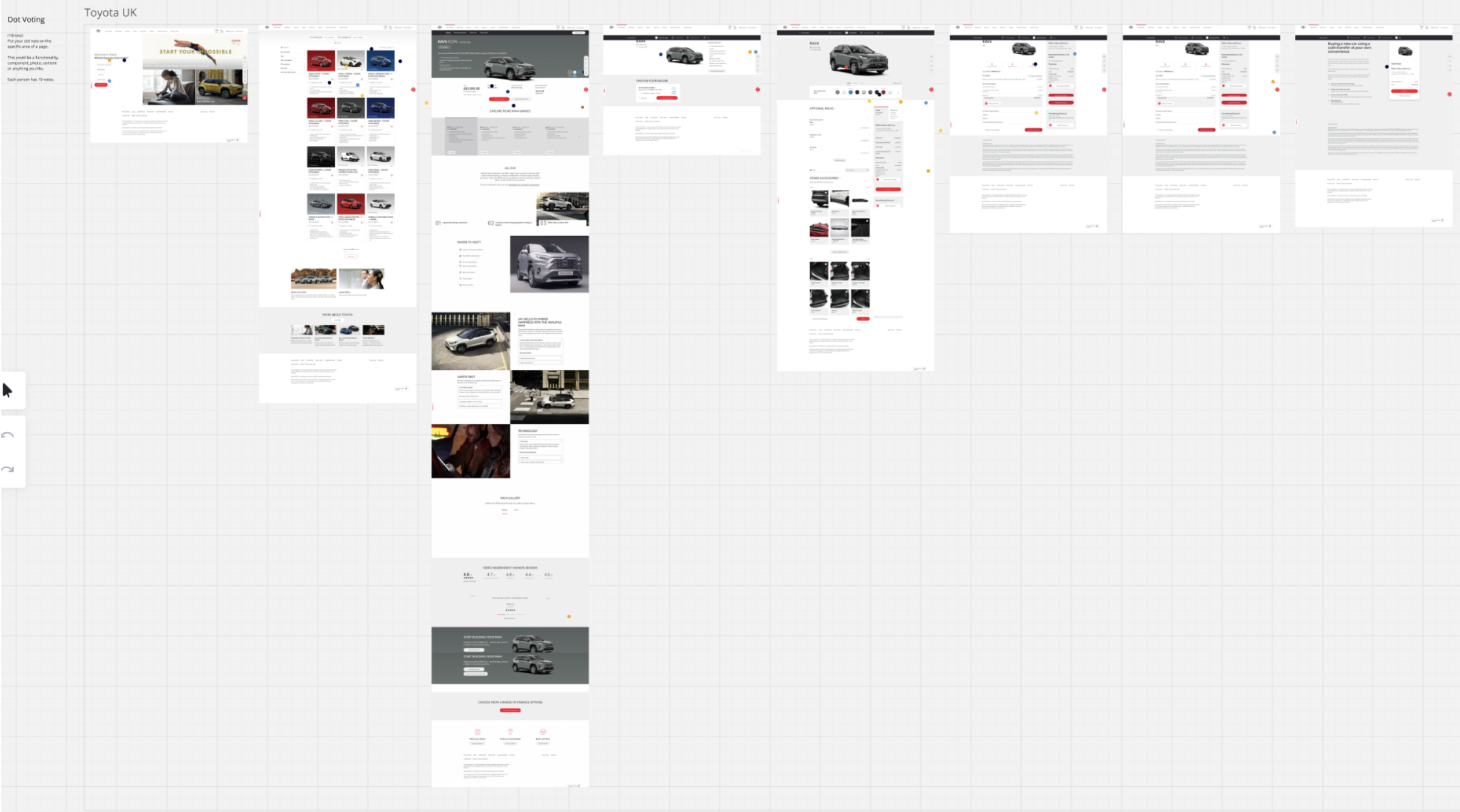
Let competitor analysis workshop
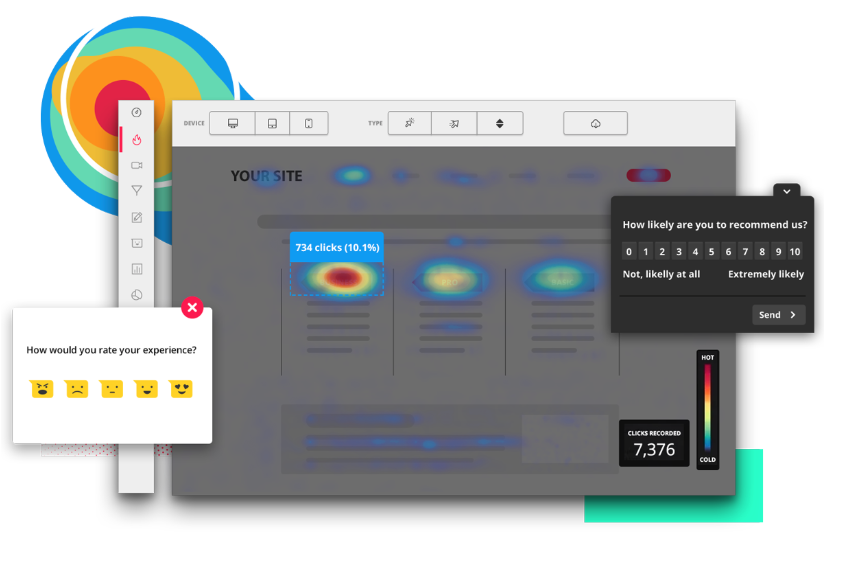
Introduced a new behavioural analytic tool
Key customer personas identified
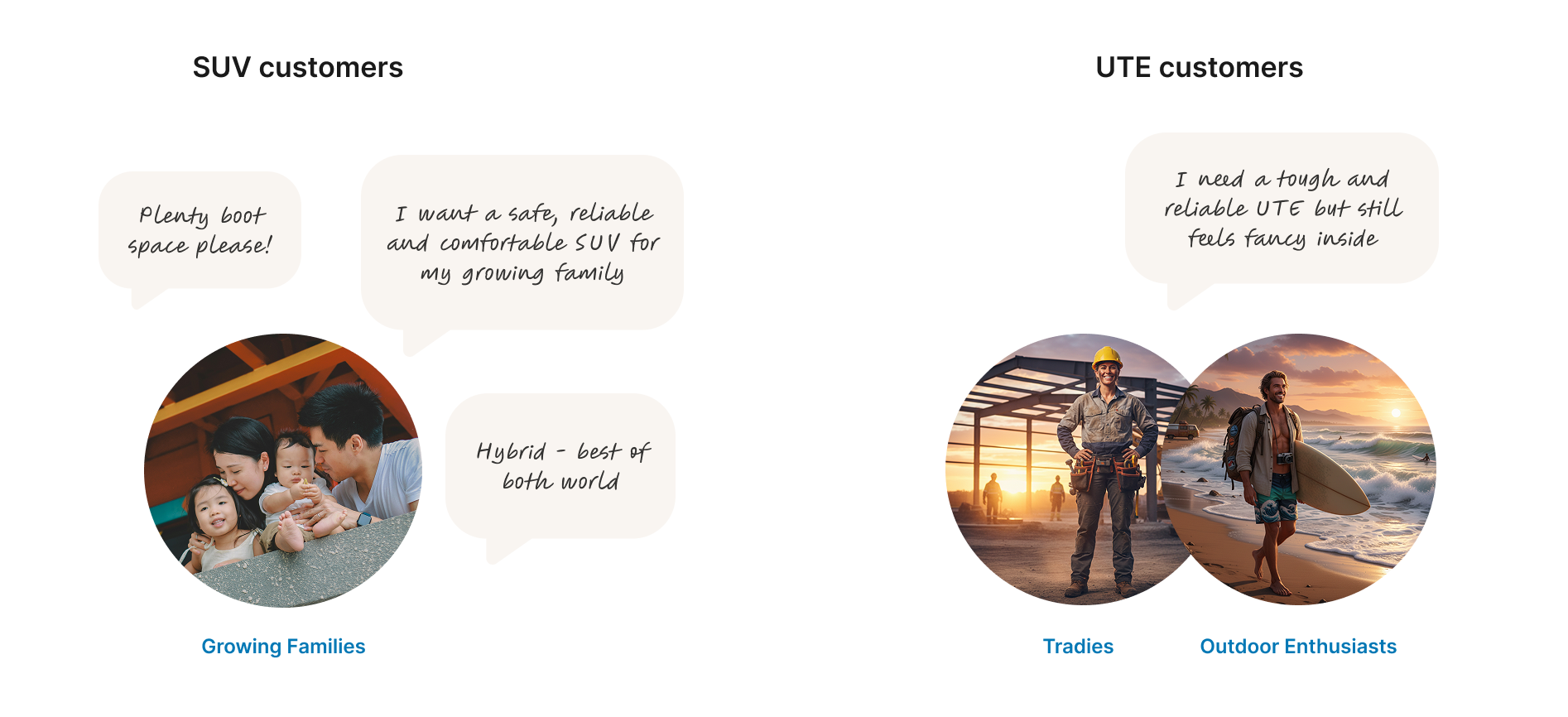
Based on the product line and ownership patterns, the primary focus is on family car owners, who are the main users of Mazda’s SUV range, seeking practicality, safety, and comfort for daily and family use.
Another significant group centres around the BT-50, attracting customers who require larger, heavier vehicles, including adventure enthusiasts who value durability and off-road capability, as well as tradies who prioritise utility and reliability for work purposes. While we have not delved deeply into detailed sub-segmentation of these personas, these broad categories provide a clear foundation for understanding the main user groups.
UX audit on previous build tool
Define the problems
Insights & Opportunities
Critical pain points #1
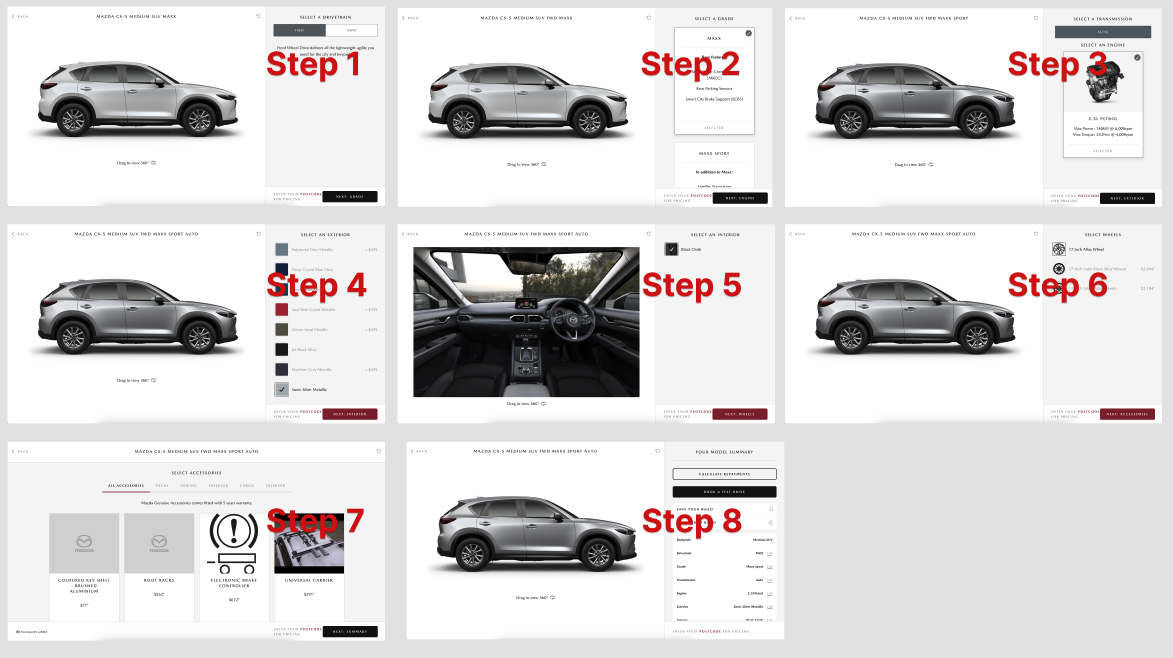
The old build journey required users to navigate 8 steps (too many!) before reaching key CTAs that support lead generation.
Critical pain points #2
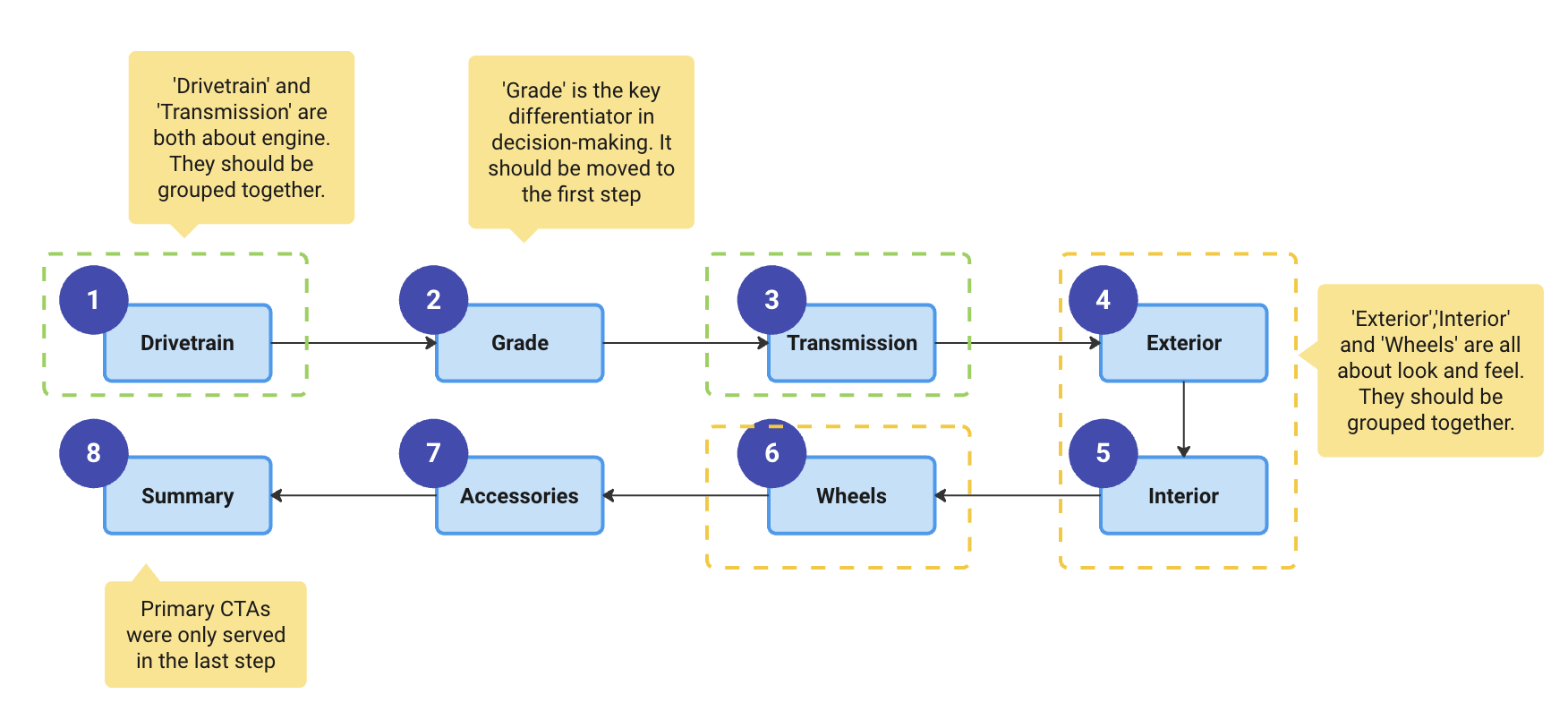
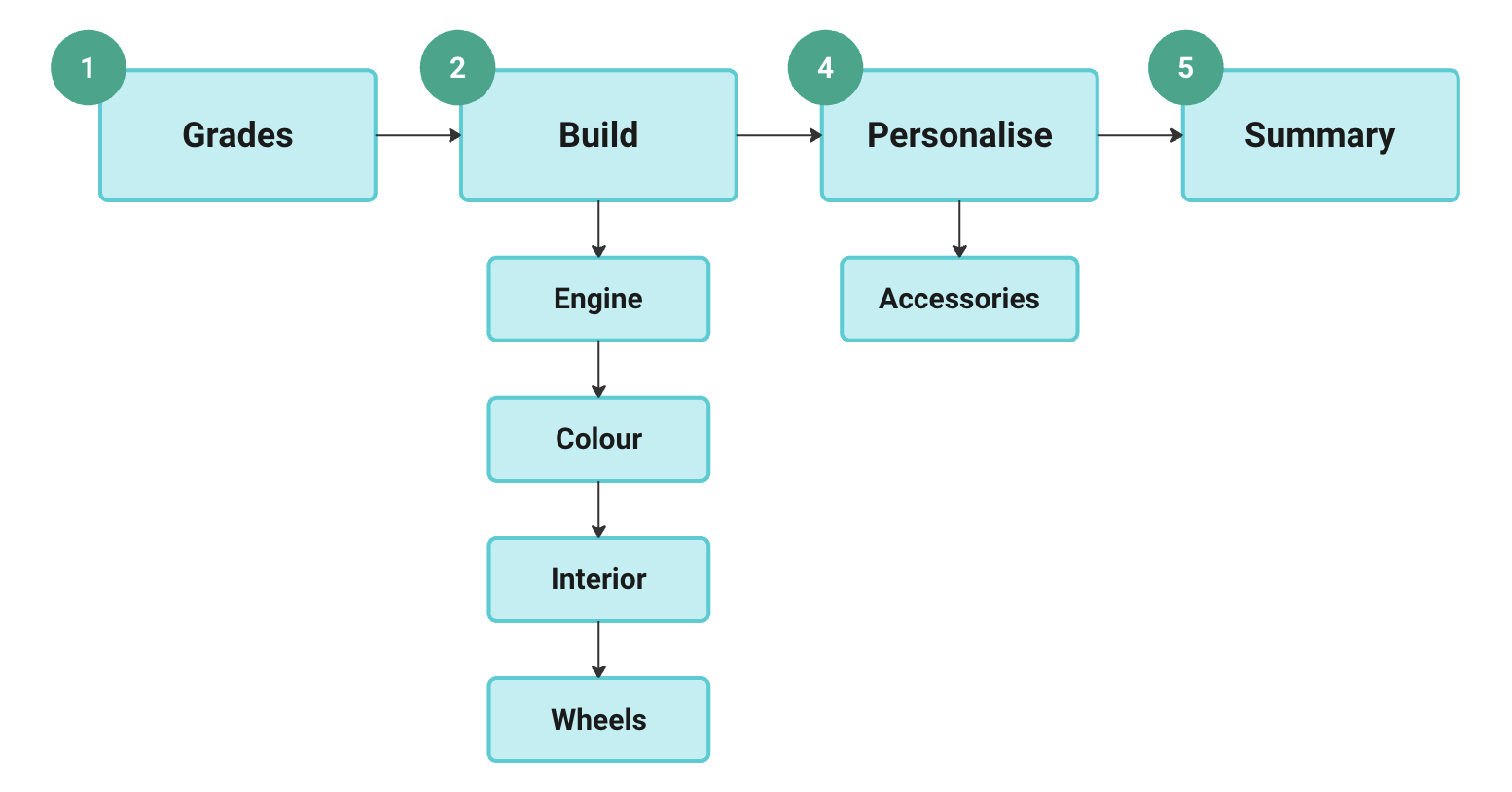
That sequence caused confusion because it was based on the product mapping file structure rather than human buying behaviours.
Pain points #3
The lack of progress indication, combined with mandatory inputs at each step creates additional friction, making the configuration process harder to follow and complete.
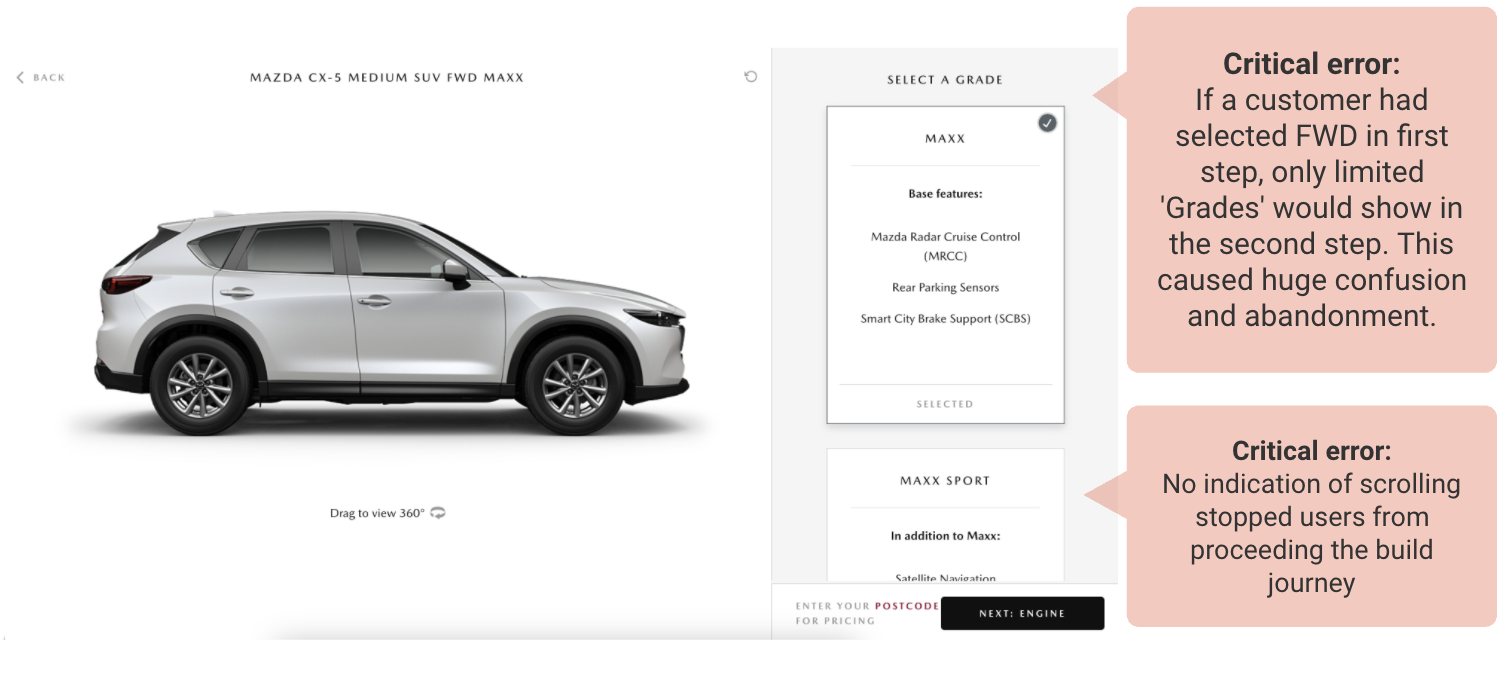
Pain points #4
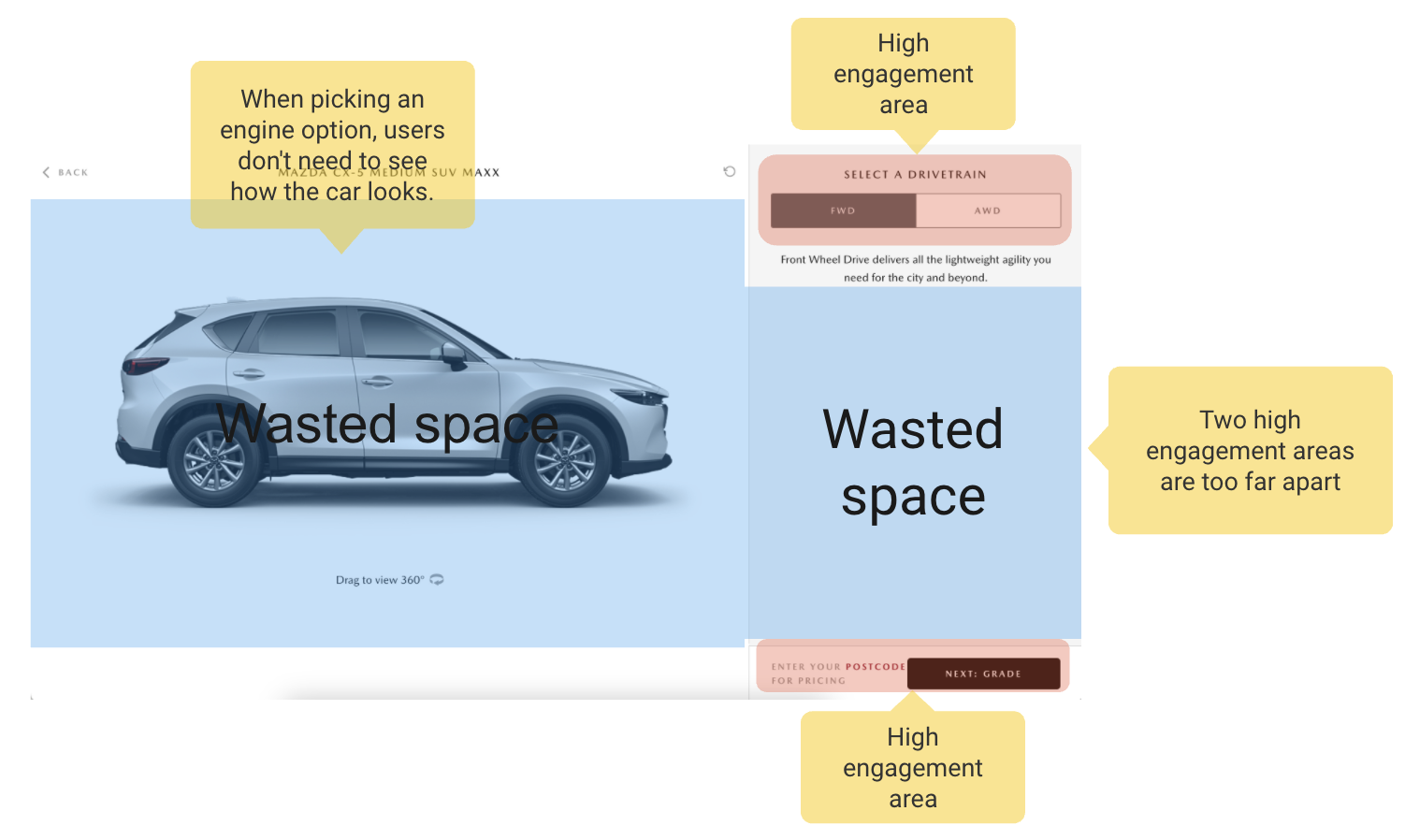
The primary, high-engagement interaction area occupied only 20% of the screen. This resulted in significant underutilisation of screen real estate and restricted user interactions.
Define the solution
Ideation & UI Designs
Get the flow in the right sequence

Prioritise core user journey for MVP
Leaving functions like finance calculation integration, accessories search to future releases.
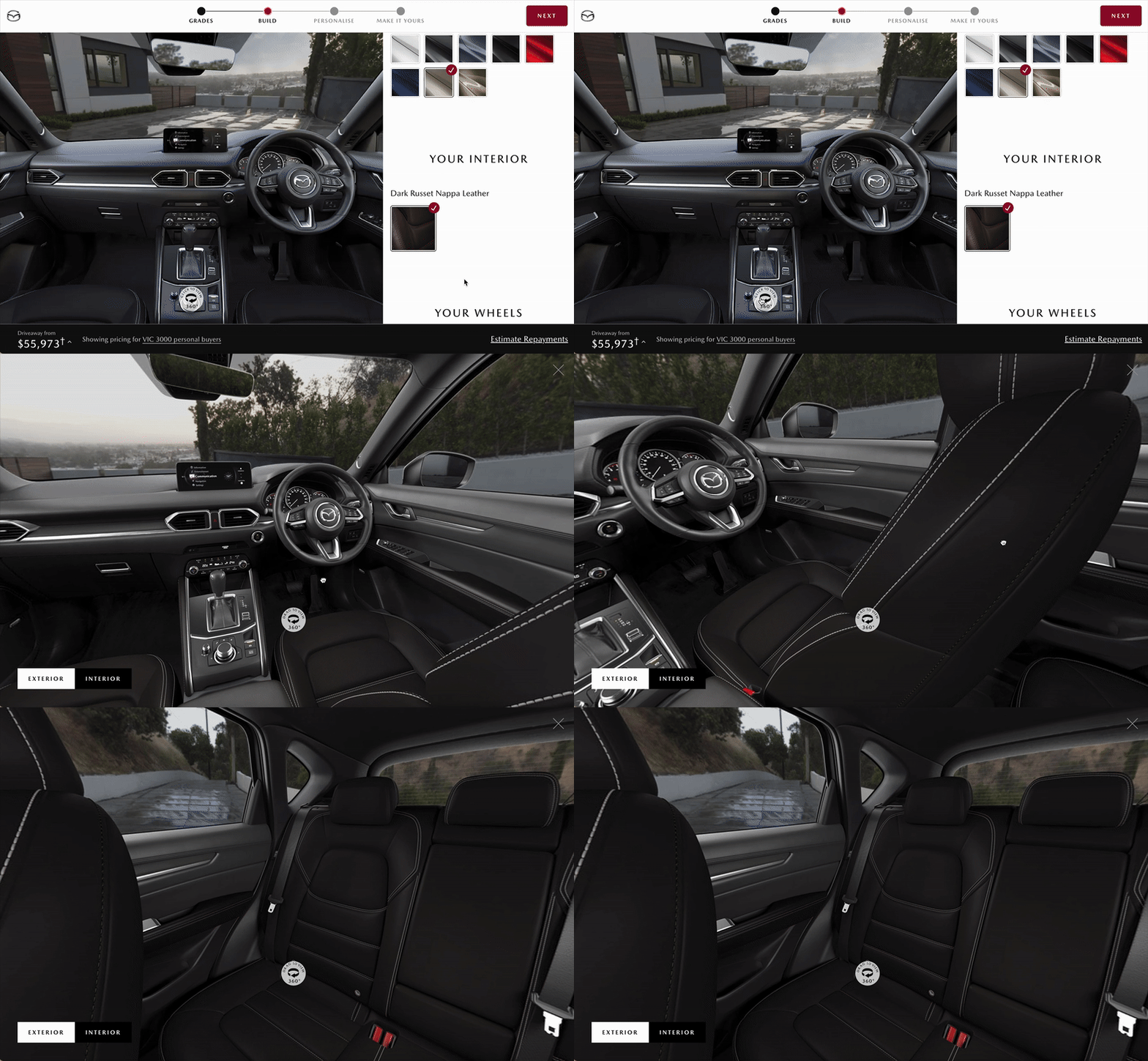
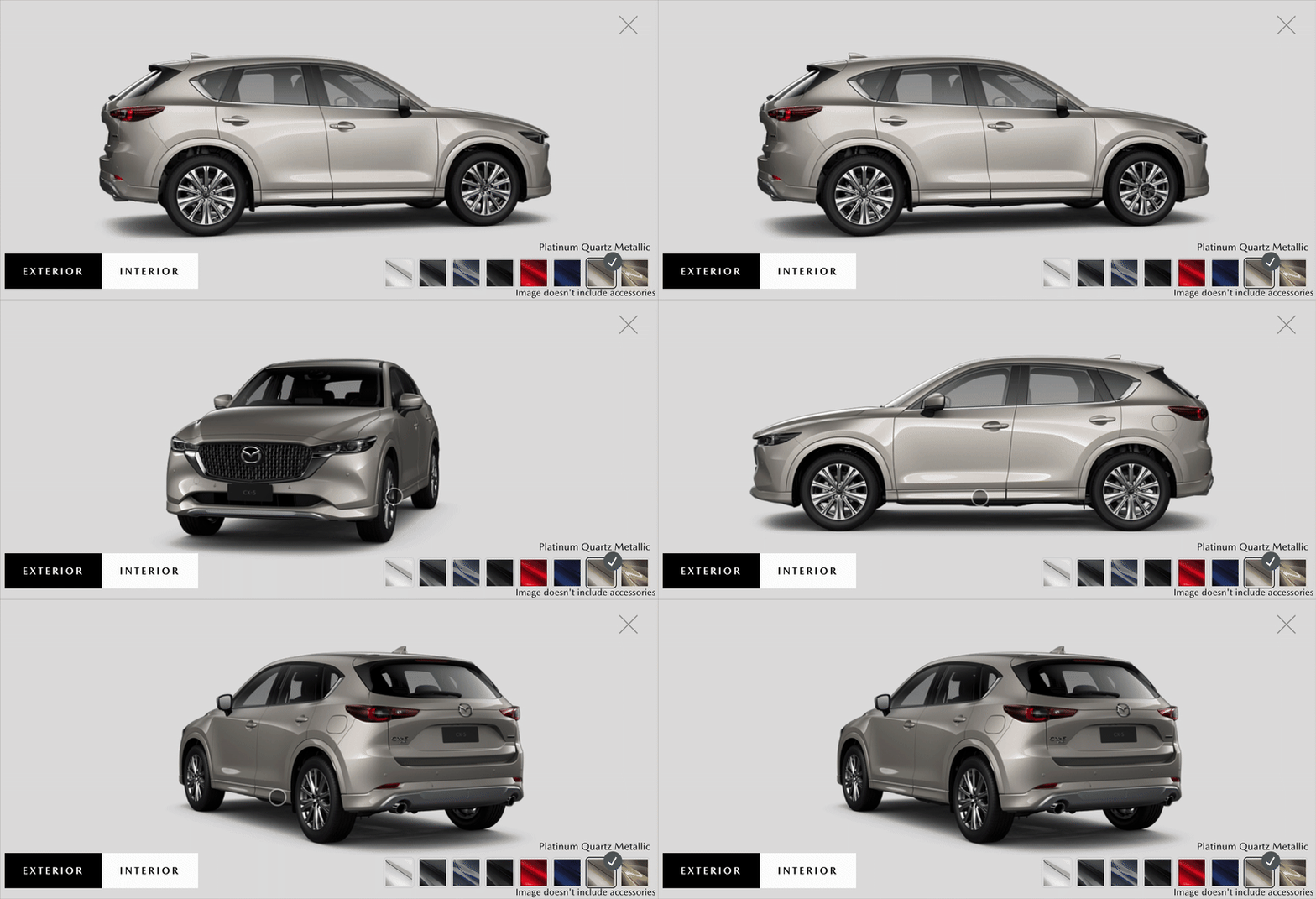
Smooth spin of 360 interior view on desktop
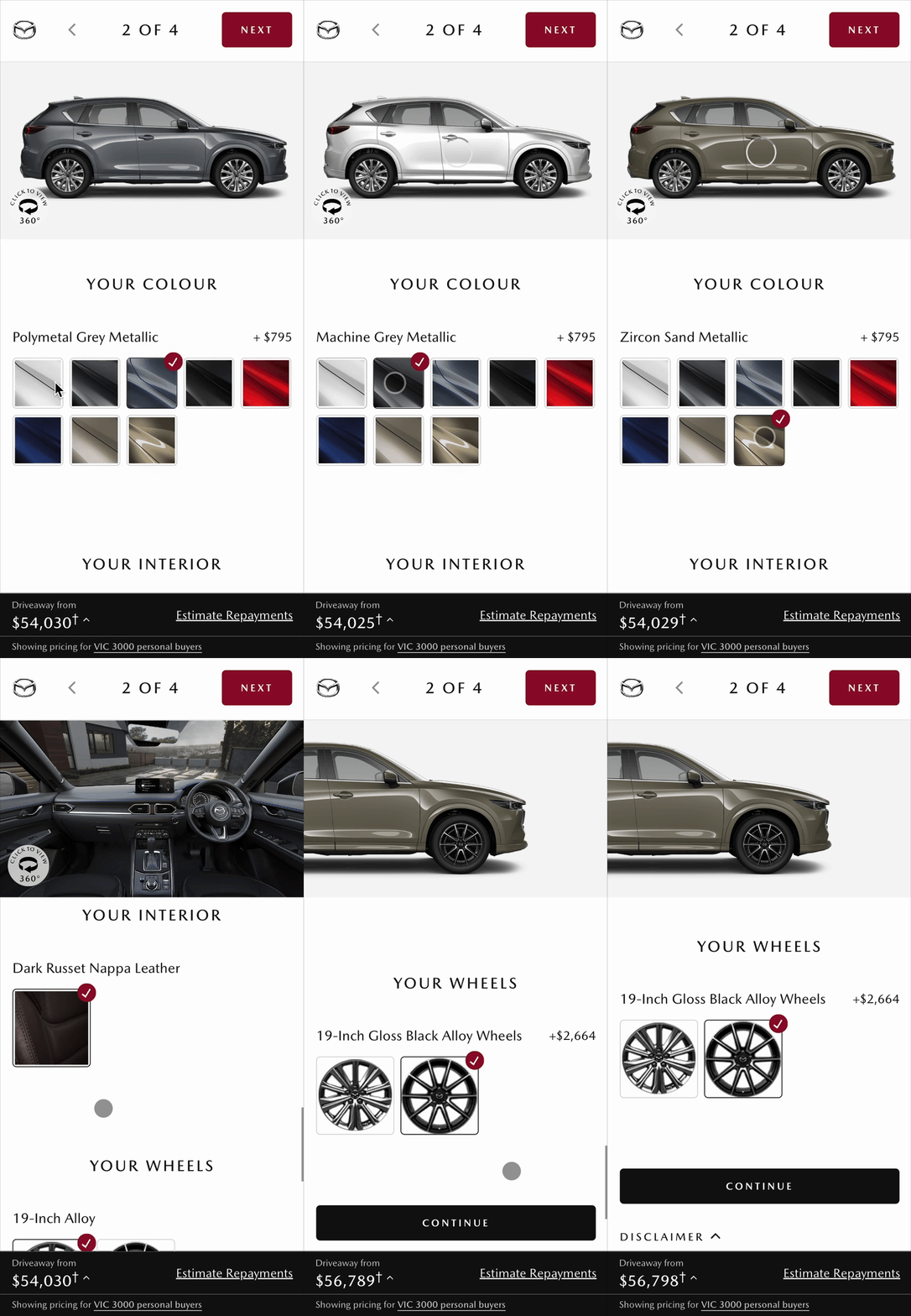
Smooth spin of 360 exterior view on mobile
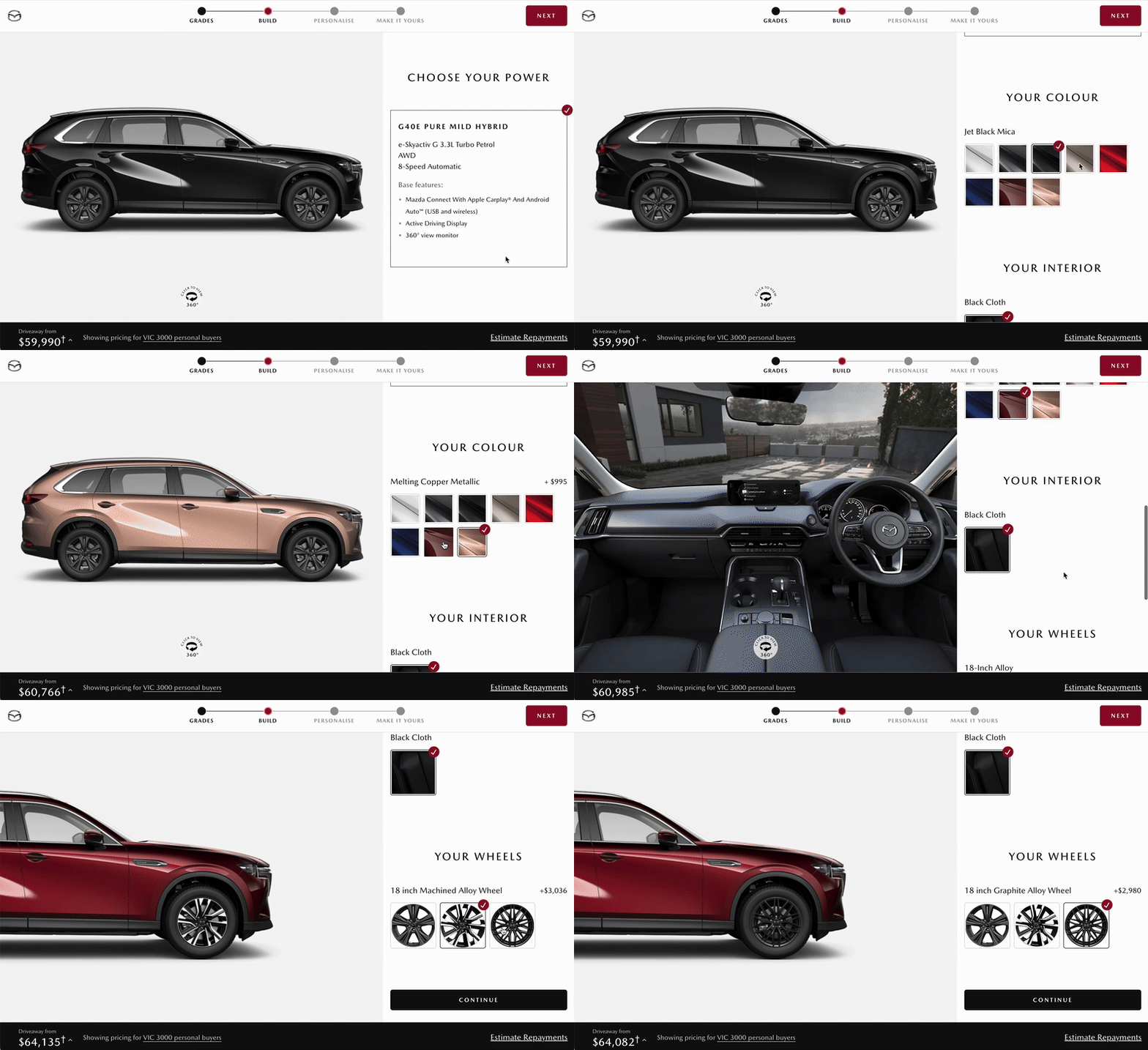
Effective use of vertical space
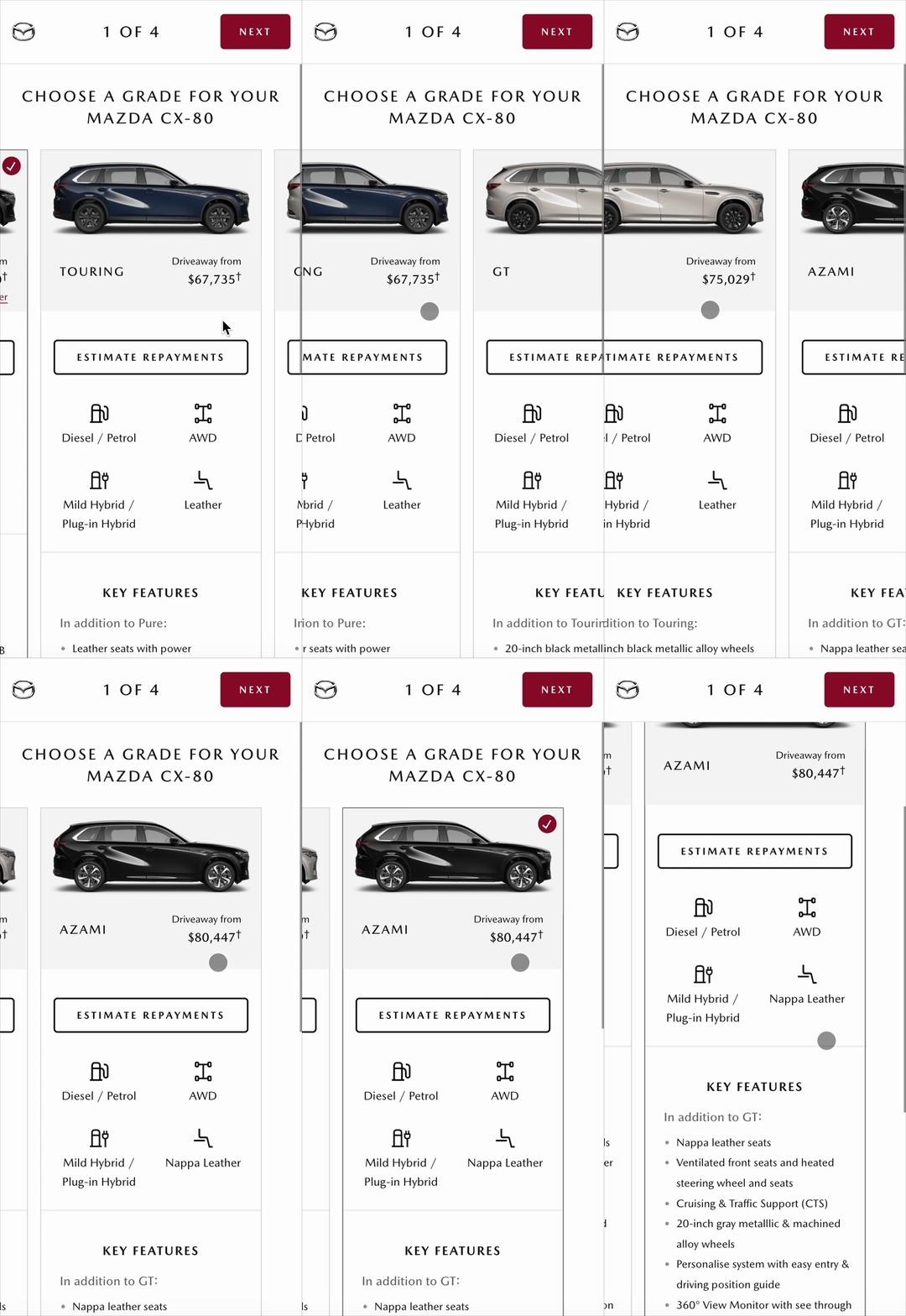
After: Compare and choose grade as the first step
After: Introduced new selection patterns that allows fix position colour change
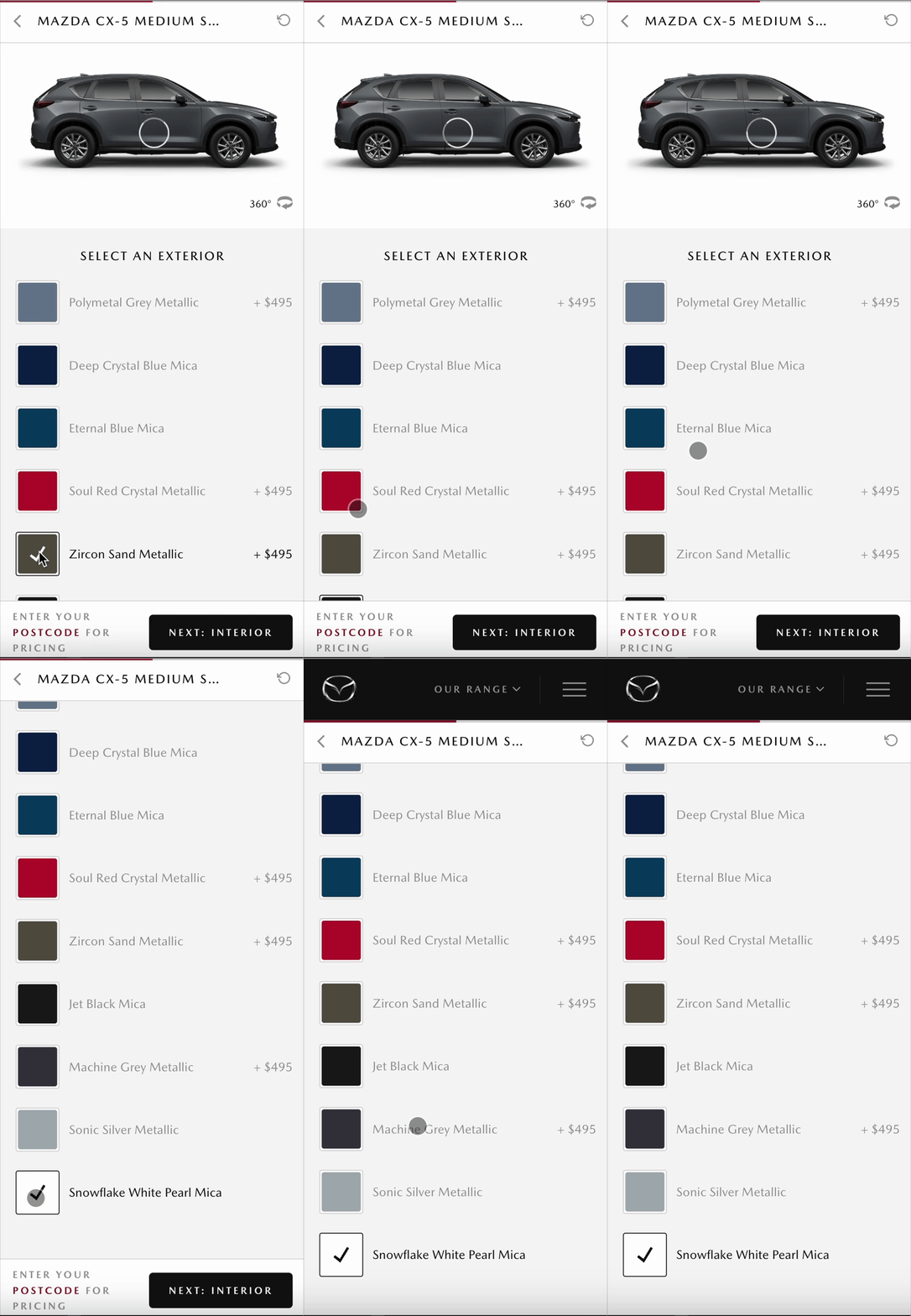
Before: Users have to scroll back and force to see colour changes
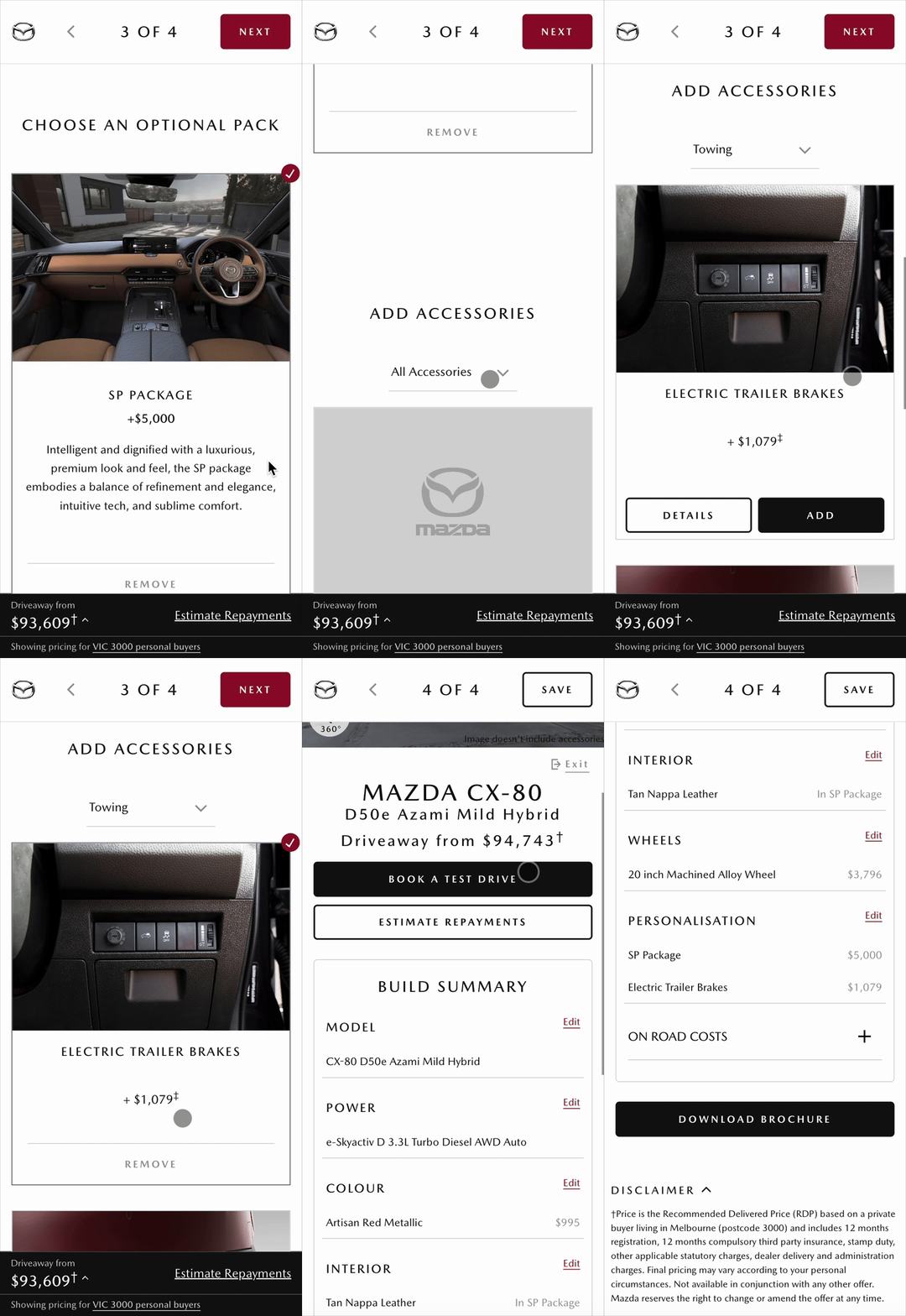
After: Optimised upsell opportunities by having immersive visuals when browsing accessories
Outcome & Impact
The results were felt quickly after 6 weeks:
0 critical issue was reported
Bounce rate decreased from 36% to 15%
Build finish increased from 4.8% to 61%
Email to save rate increased from 8% to 13%
Test drive booking increased from 1.9% to 4.4%
Reflections
Be flexible and resourceful on research methods
Given the constraint of limited direct access to external customers, I took a resourceful and flexible approach to understanding user behaviour by leveraging a mix of alternative research methods.
This included internal user recruitment, proxy users such as dealership staff, analysis of existing analytics and session recordings, following industrial report and ongoing feedback loops with customer-facing teams.
Identify and solve the right problems
Solving the right problem proved to be a critical factor in the success of the “Build My Mazda” experience, allowing us to focus on meaningful improvements rather than surface-level changes.
This outcome was made possible through close collaboration across teams, with strong support from our dealership network, experience team, and digital development team, whose consistent effort and alignment helped bring the solution to life.