Transforming the Graduate Research Milestone Experience
Redesigned a multi-user workflow, turning a fragmented experience into a clear, trustworthy, and intuitive system that improved efficiency and transparency at scale.
PROJECT GOALS
Why this project mattered
Milestones are critical academic checkpoints for graduate research students, allowing supervisors and panels to assess whether students are on track with their research progress.
The workflow was originally built on the GCP with very little intelligence or control from roles who were involved. With the upcoming SMS transformation, the business wanted the team to explore UX issues, investigate the live experience for both students and staff, and define a future-state hi-fidelity experience that considers the possibilities and limitations of the new platform.
My role
As a Senior UX/UI Designer on the Student Management System transformation program, I conducted user research with students and staff to identify key pain points. I assessed the platform’s capabilities and constraints to define the feasible range of customisation and determine the maximum UX improvements achievable within the system’s limitations. I designed a high-fidelity, seamless future-state experience and collaborated closely with cross-functional teams to define the MVP scope. I also established UX success metrics to measure impact and guide continuous improvement.
Project Manager
Capability Lead
CX Lead
Business Analyst
Subject Matter Experts
Solution Architect & Tech Lead
Back & Front End Developers
Who I worked with
THE CHALLENGES
What I was facing
“Ambiguity wasn’t a blocker. It was the space where design created clarity.”
Anonymous
-
The new SMS platform supports customisation to an extend. Accessibility gaps were identified. No Figma components was shared by platform provider or established internally previously.
-
There was ongoing ambiguity around requirements, discussions with governance group are still in progress regarding the ownership of milestone initiation.
-
Newly formed team hasn’t found a rhythm of collaborating.
DISCOVERY
How I discovered and why this approach
“It does what it is supposed to do at a basic level. The experience has a lot of room to improve.”
Partnered with CX team, I had access to a large and diverse pool of students and staff, allowing me to conduct research with real users of the system at a minimal cost.
With a shared vision, we explored the problem space by:
Focus group and user testing sessions with students
Supervisor workshop
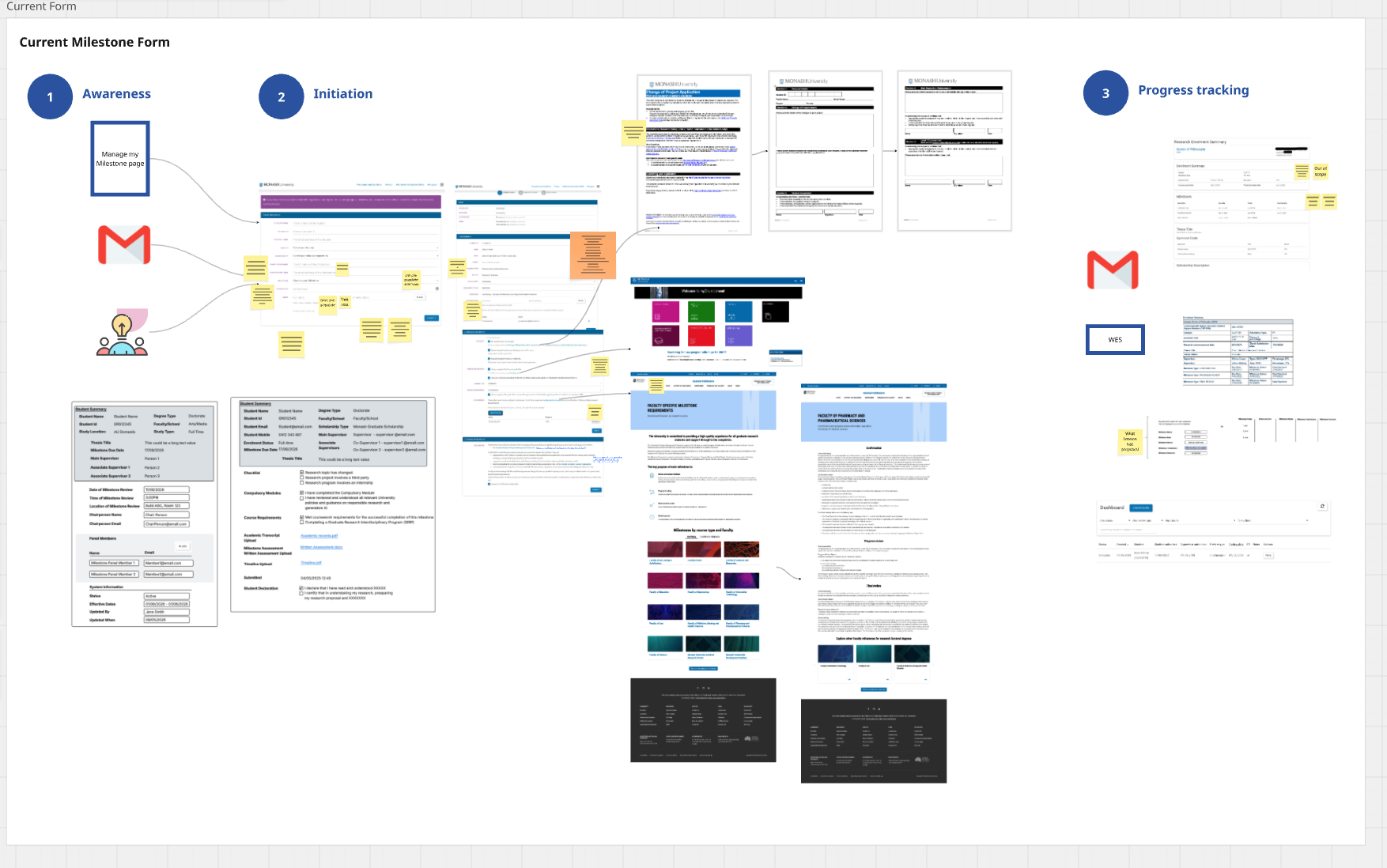
Mapping current user workflows
Analysing new platform feasibility
Reviewing accessibility requirements
Other activities included Monash Connect (call centre) visit, supervisor workshop, SMEs interviews, etc.
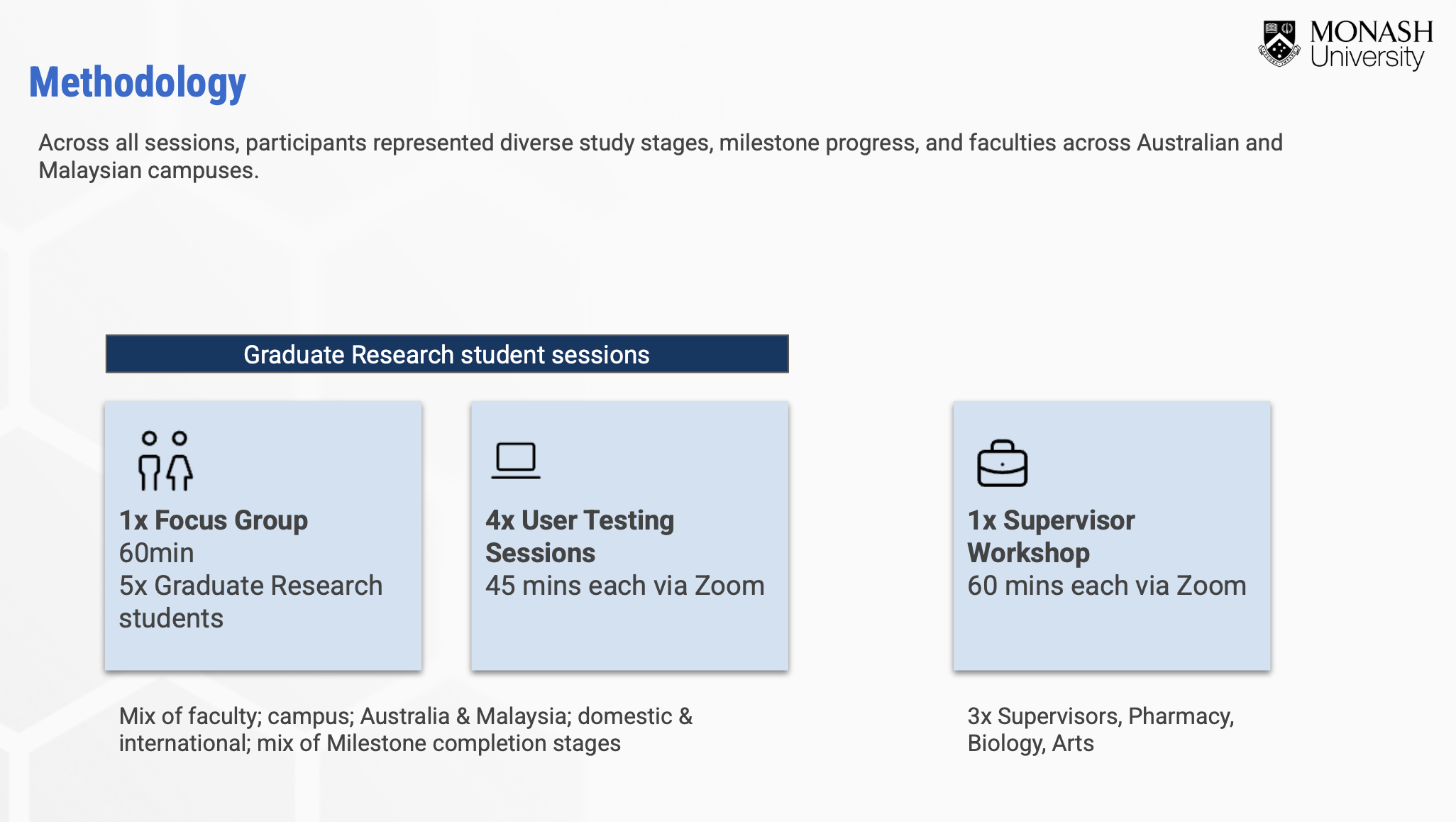
Partnered with CX lead, we defined user research format
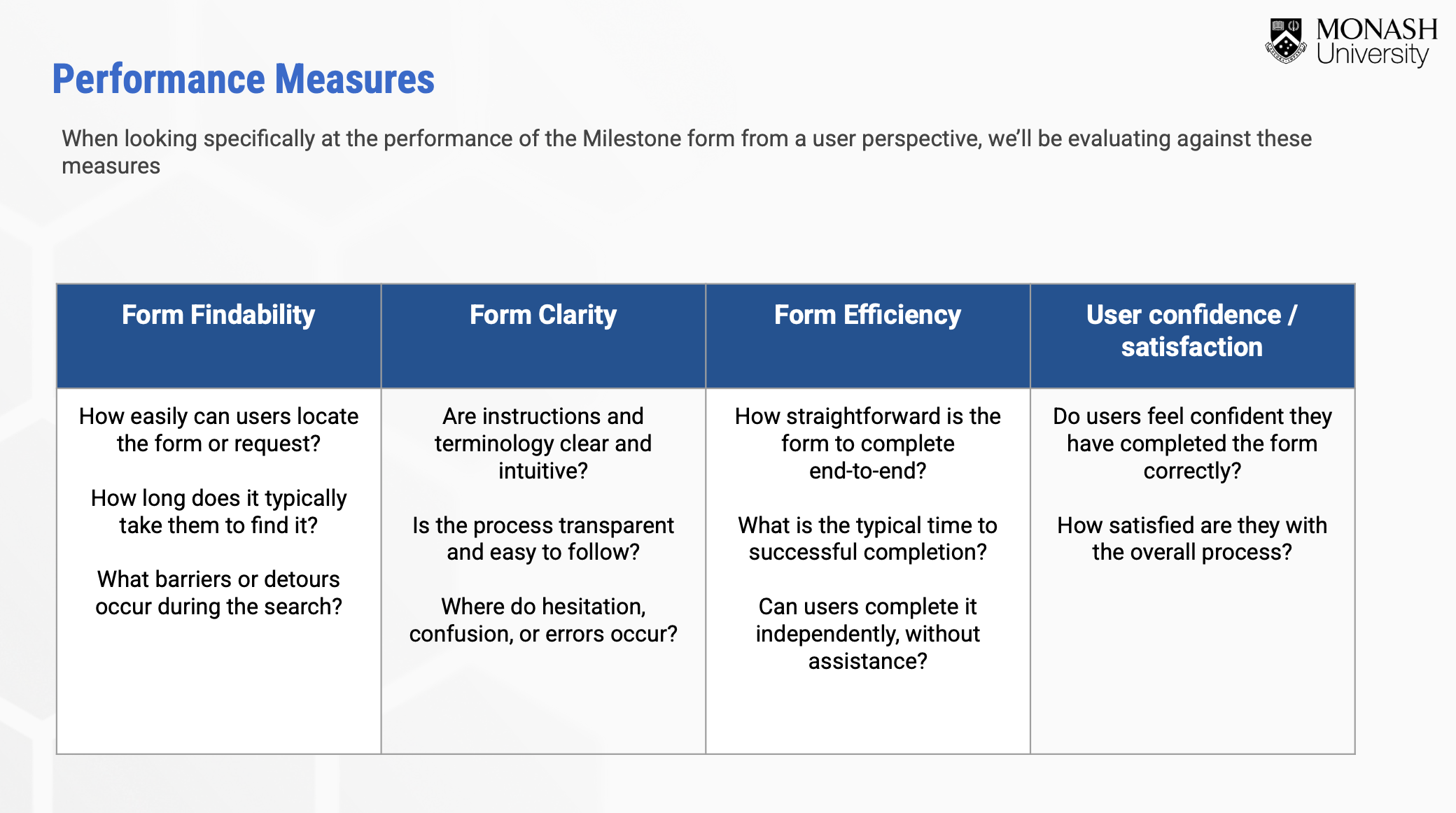
I established the way we measure form success
I led solution workshop at define phase
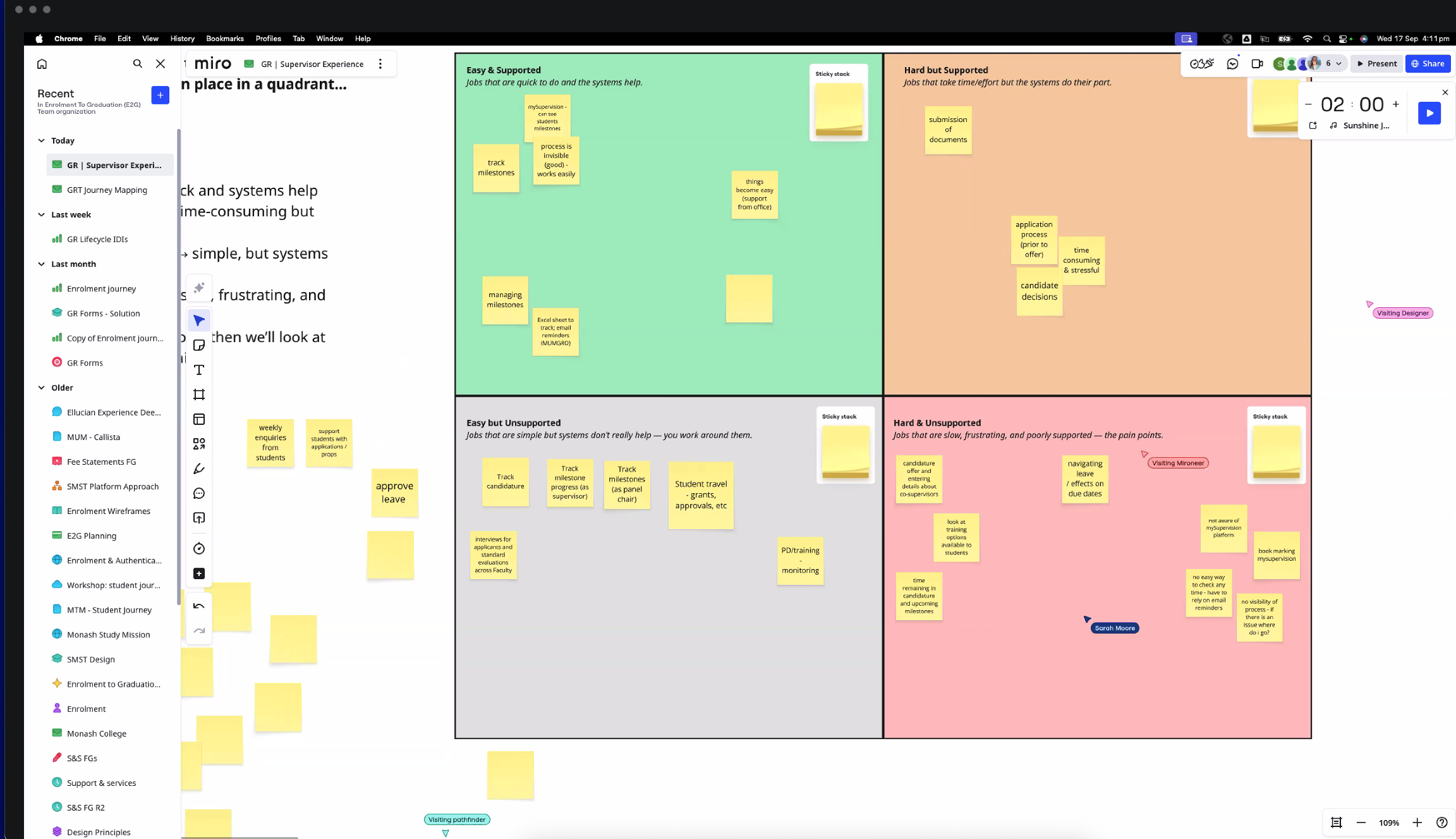
Partnered with CX lead, we led user research focus group to gather insights
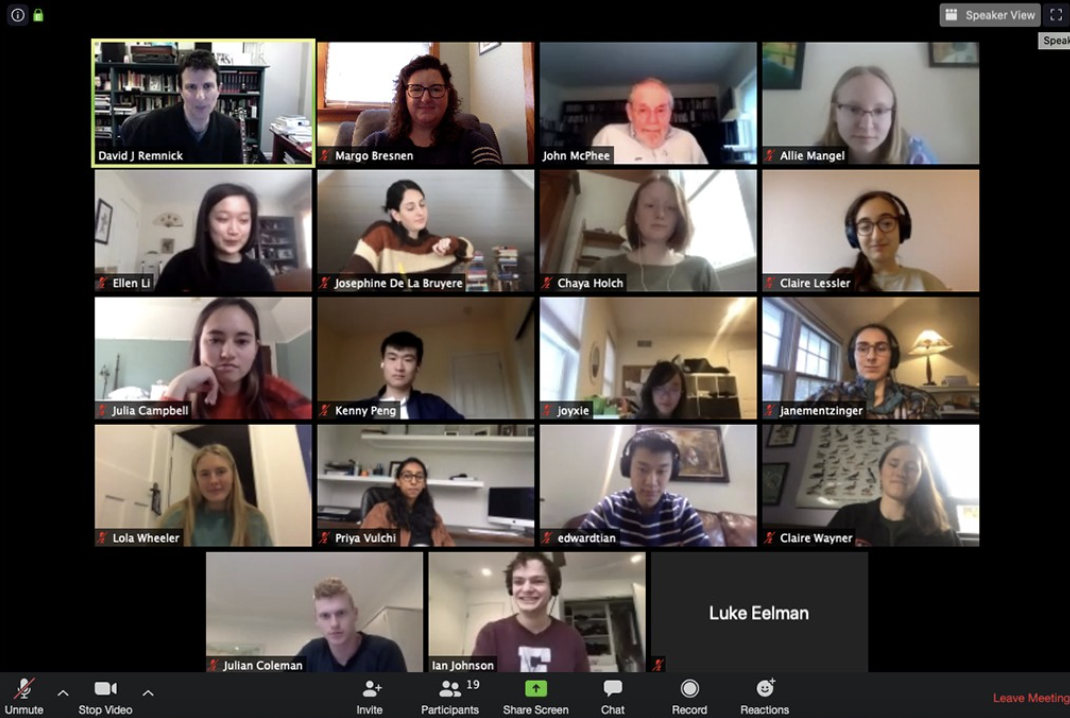
Partnered with CX lead, we led student and supervisor workshop
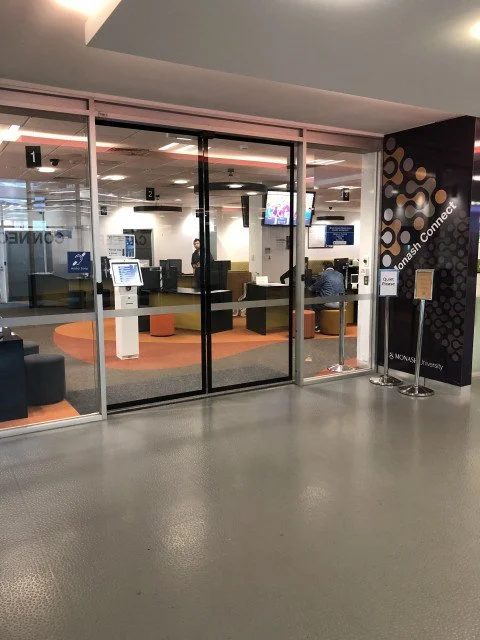
I visited Monash Connect the call centre
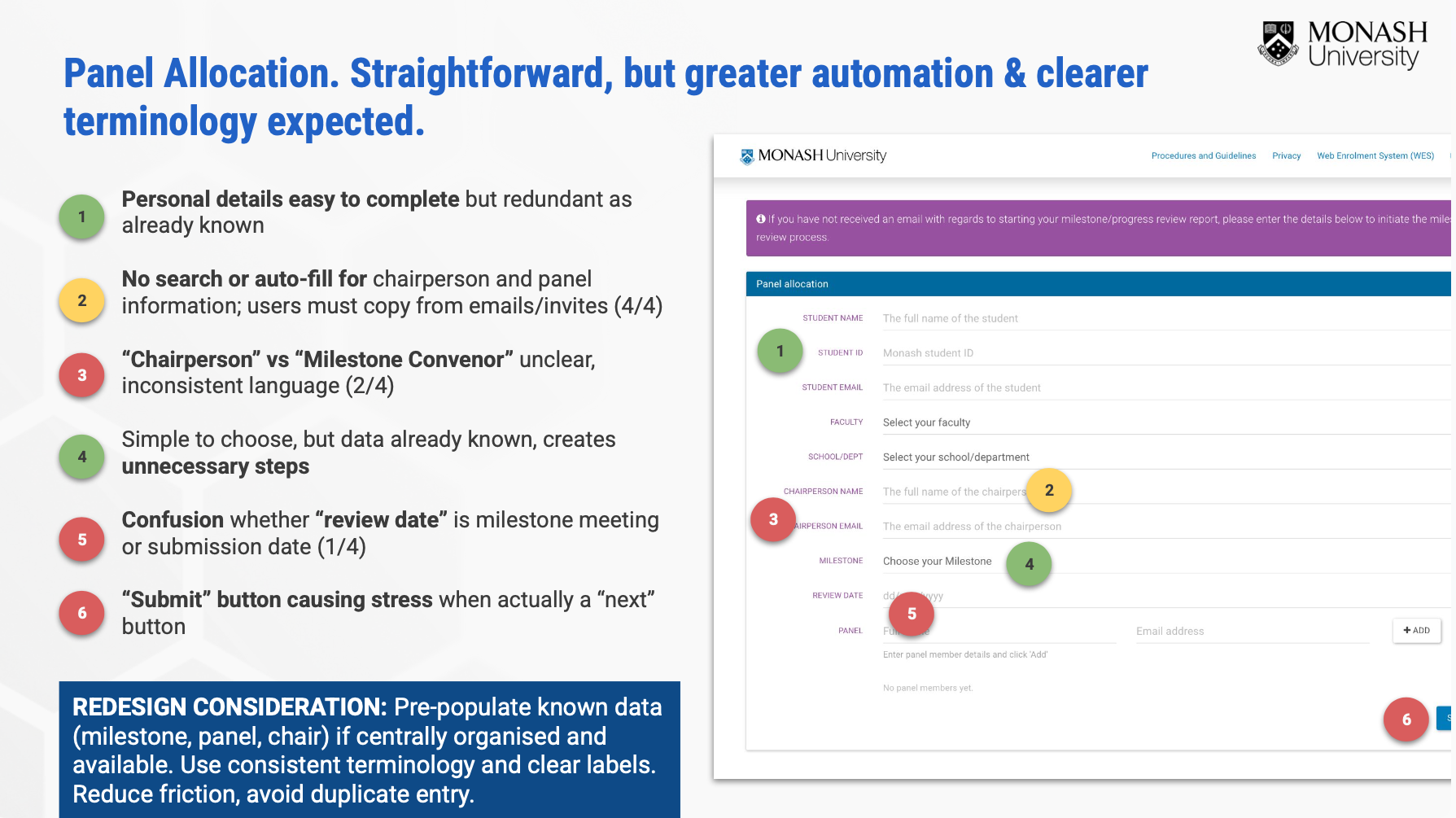
I shared the user testing insights with broader team
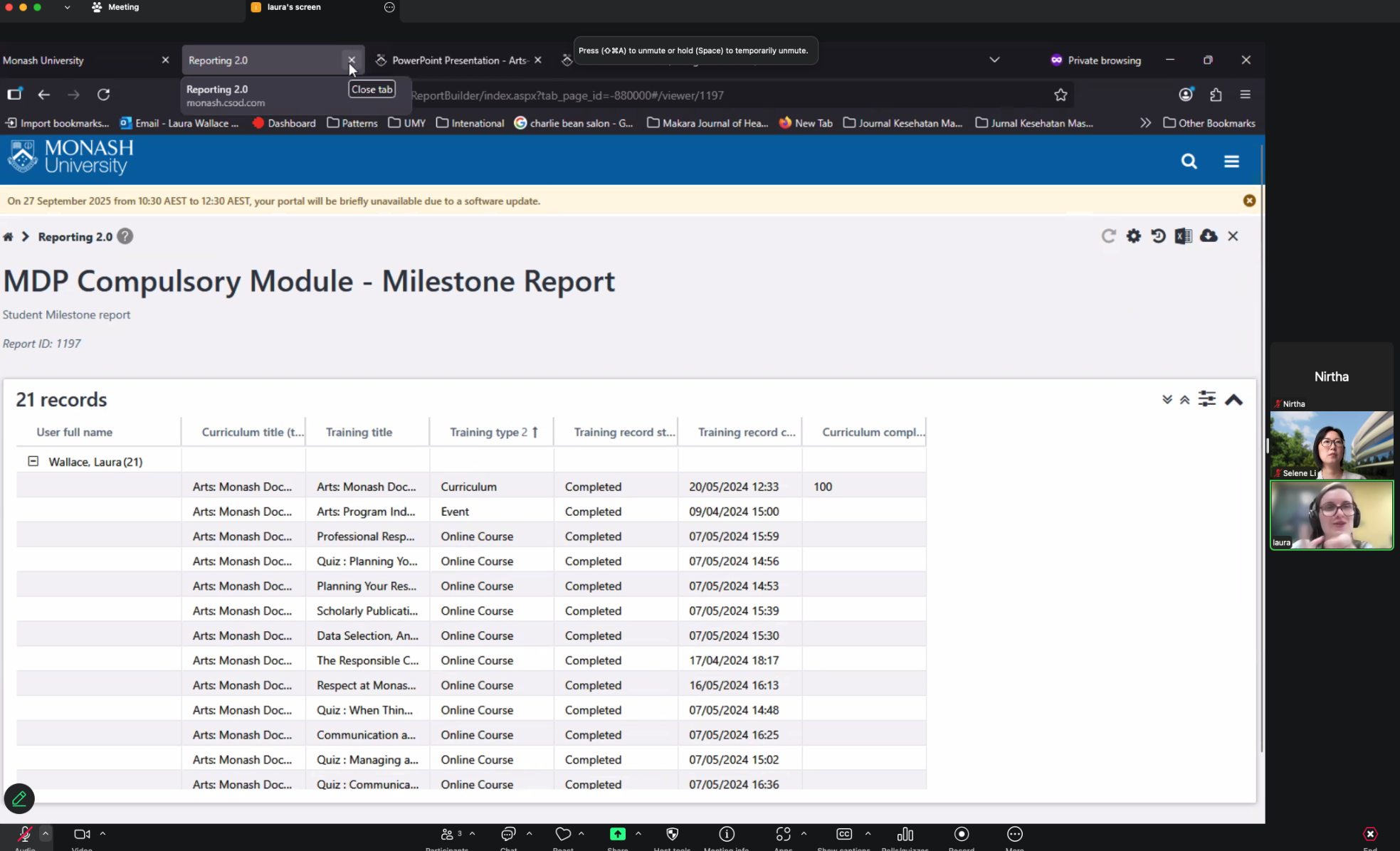
I facilitated a task-based 1 on 1 moderated user testing
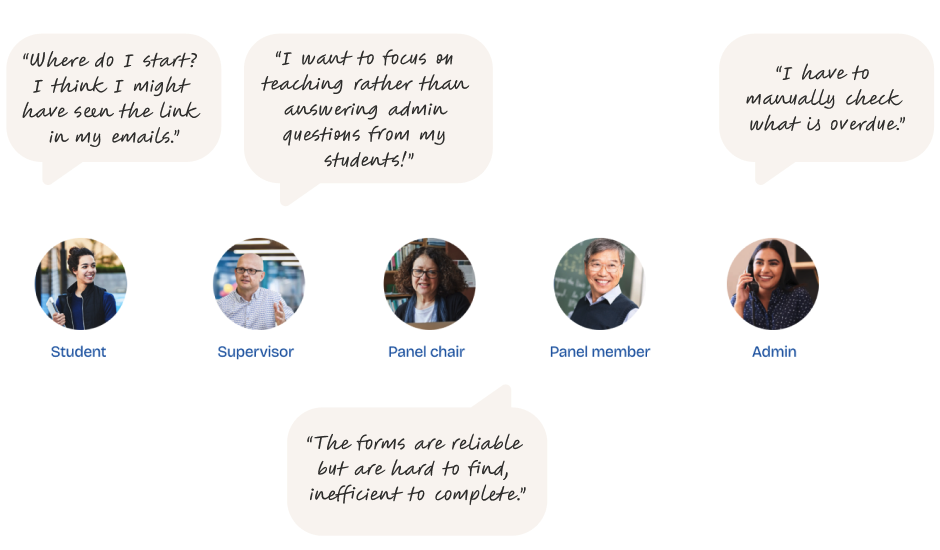
5 key user cohorts and personas were identified
Students’ problem
Students couldn’t find task link because it lived in email threads.
Supervisors’ problem
Supervisors lacked visibility over where milestones sat in the process and had to chase progress manually.
Admins’ problem
Admin lacked oversight of what was overdue.
Shared problem by all cohorts
The milestone forms were reliable but hard to find and inefficient to complete.
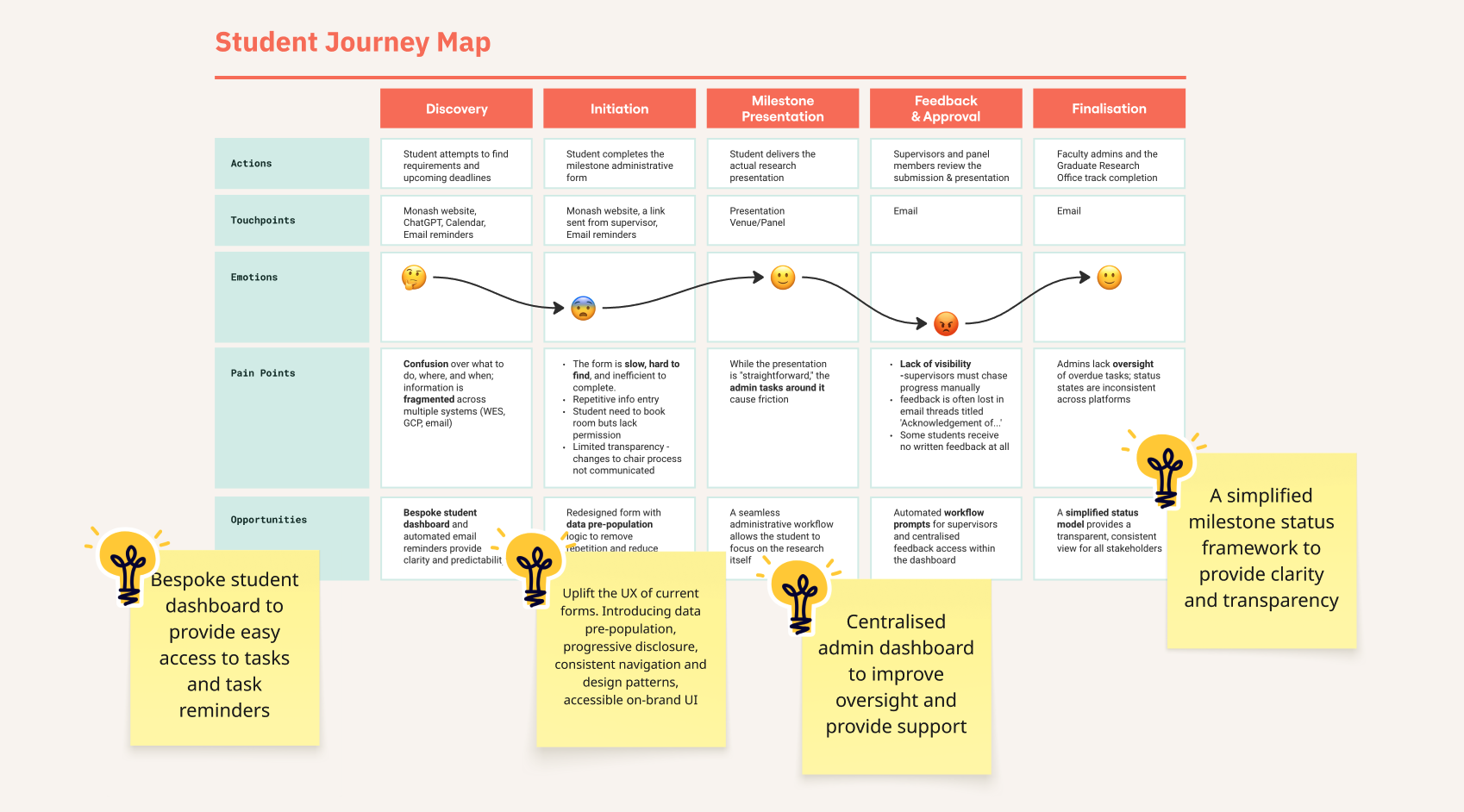
Journey mapping to reveal opportunities
Research insights revealed several key opportunities to improve the milestone experience including bespoke student dashboard, structured, accessibility-compliant task forms for student, supervisor and panel, establish a on-brand form design guideline, centralised admin dashboard and a simplified milestone status framework to provide clarity and transparency.
WORKING WITH PEOPLE
Alignment and alignment
"It was challenging to see the project pulled in different directions by members of the same team."
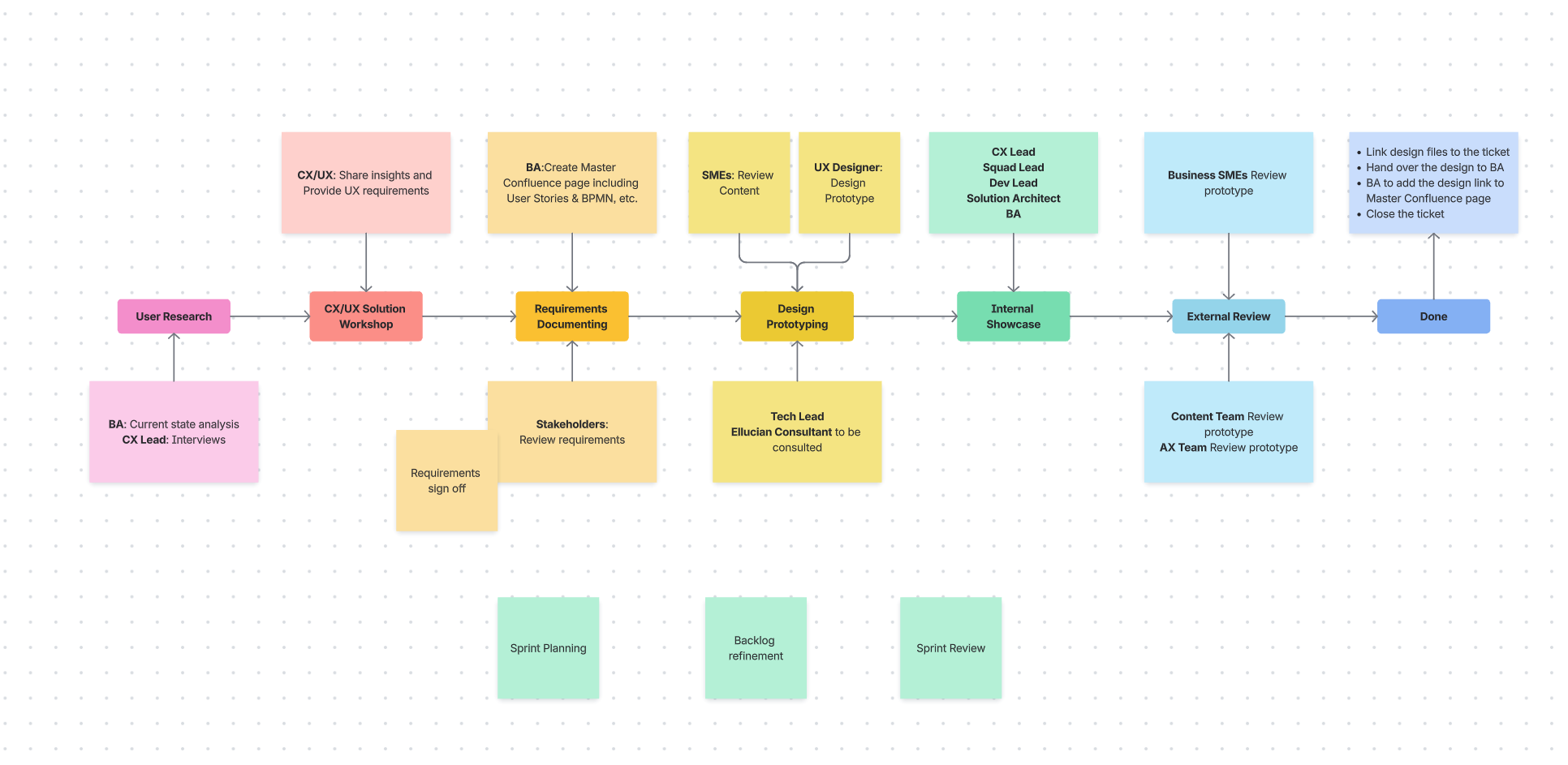
Before initiating solution design, I noticed a lack of alignment and shared momentum within the newly formed team. There were differing expectations of “when should CX/UX be involved?”, and multiple stakeholder perspectives influenced the project direction.
With the support of the project manager, I facilitated alignment around a structured product design process. The goal was to provide clarity in “What does each role need to start?““How does it align with agile practice?””What is each role's Definition of Done?”.
The team members aligned and contributed on this approach, and it became the foundation for our collaboration and delivery moving forward.
IDEATION & UI DESIGN
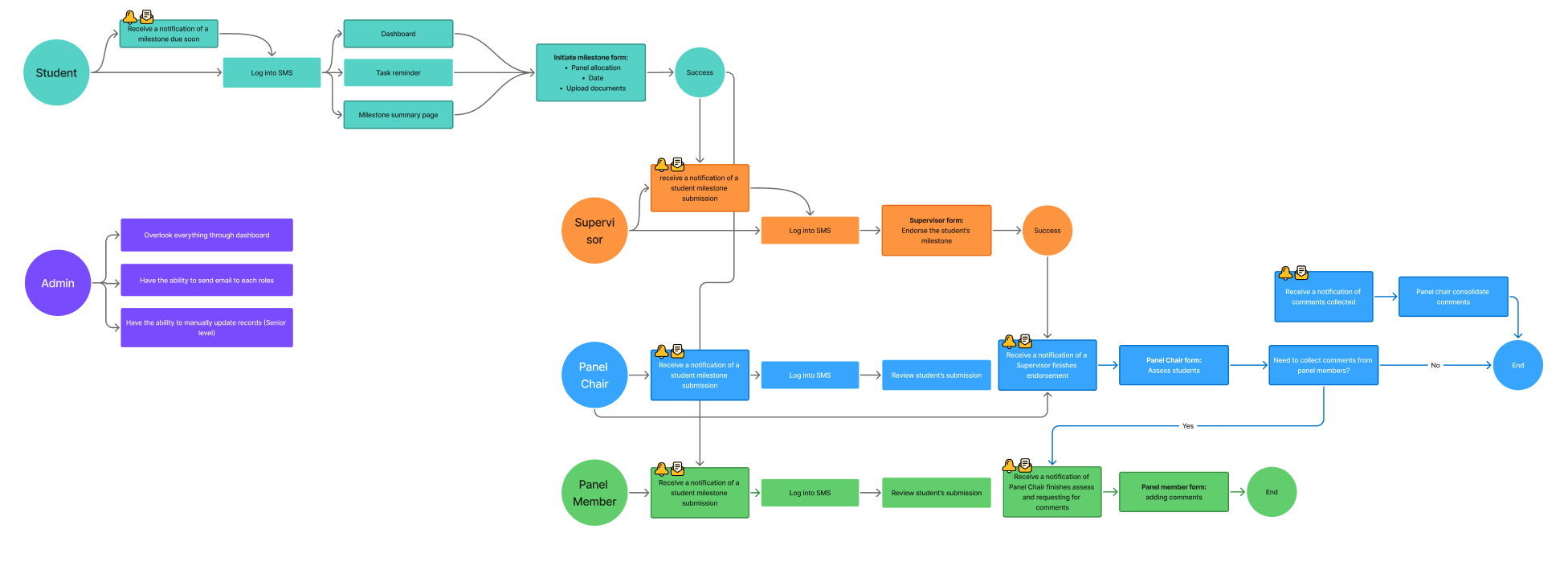
Mapping out task flow based on BA’s work
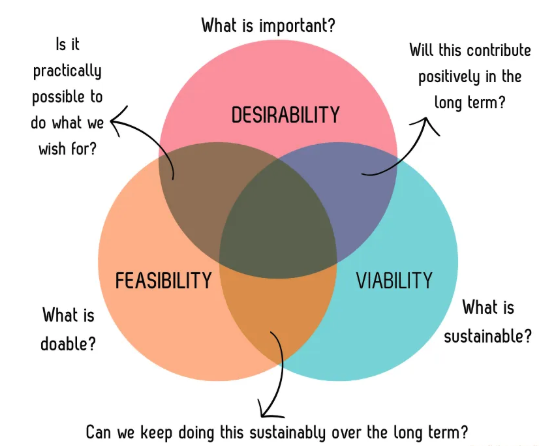
Desirability vs. Feasibility vs. Viability
Although the future experience lives within the new platform, most of the functionalities we designed were custom, because the out-of-the-box capability could not support the end-to-end workflow required.
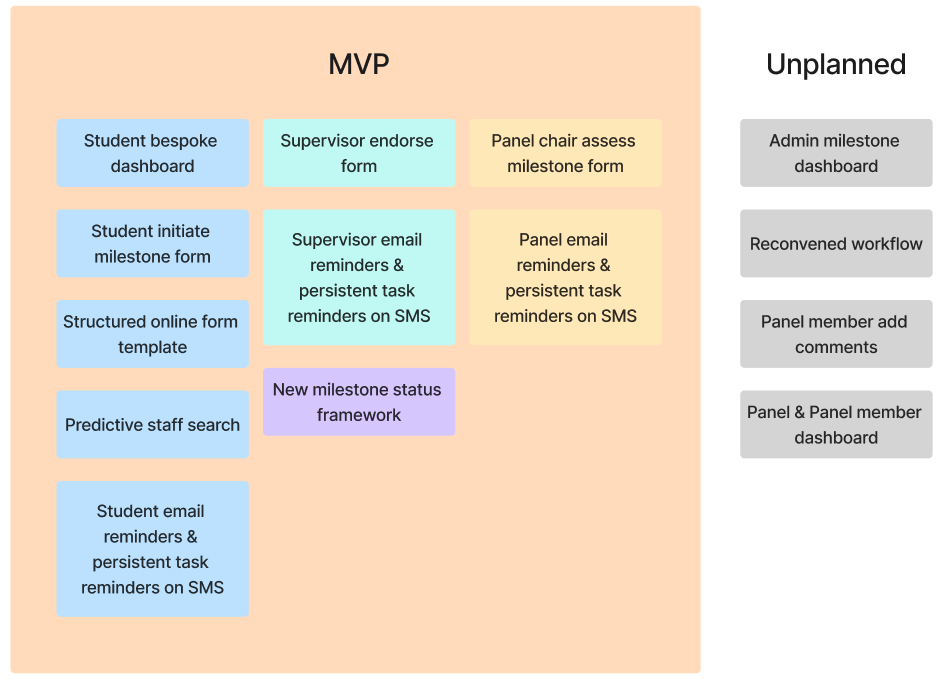
I worked with the team to scope out what needed to be designed and built in MVP.
MVP trade-offs to prioritise low hanging fruits
After assessing platform constraints and delivery effort, I contributed in prioritising high-impact, low-effort tasks to define the MVP and deliver immediate value. Higher-effort initiatives, such as the admin dashboard, were scoped for future releases. I supported this by creating concept designs to define the vision and ensure readiness when the platform could support it.
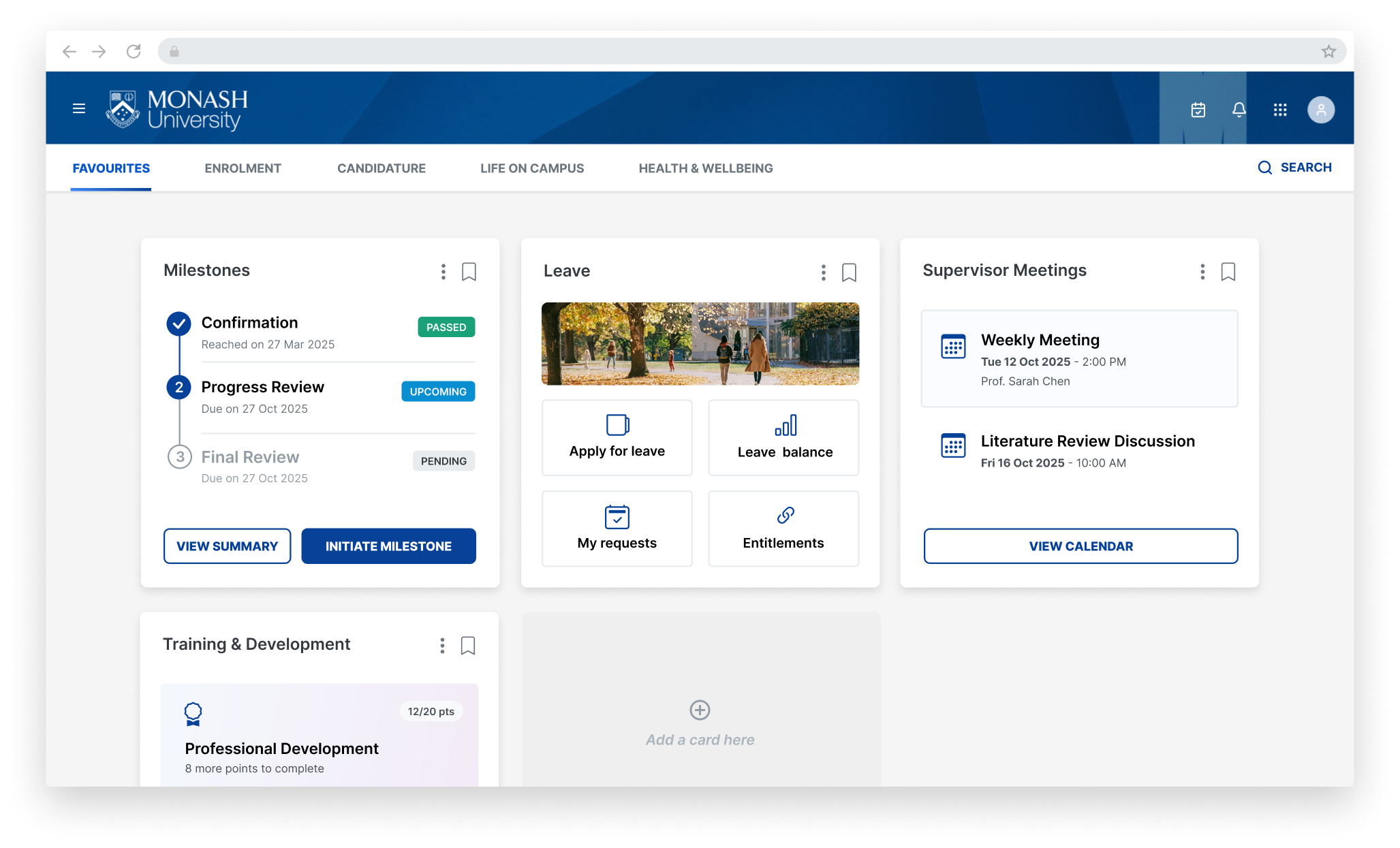
I designed bespoke student dashboard that helps students view and access passed, upcoming and future milestones. It also integrated with other ongoing projects like manage my leave, calendar and training and development.
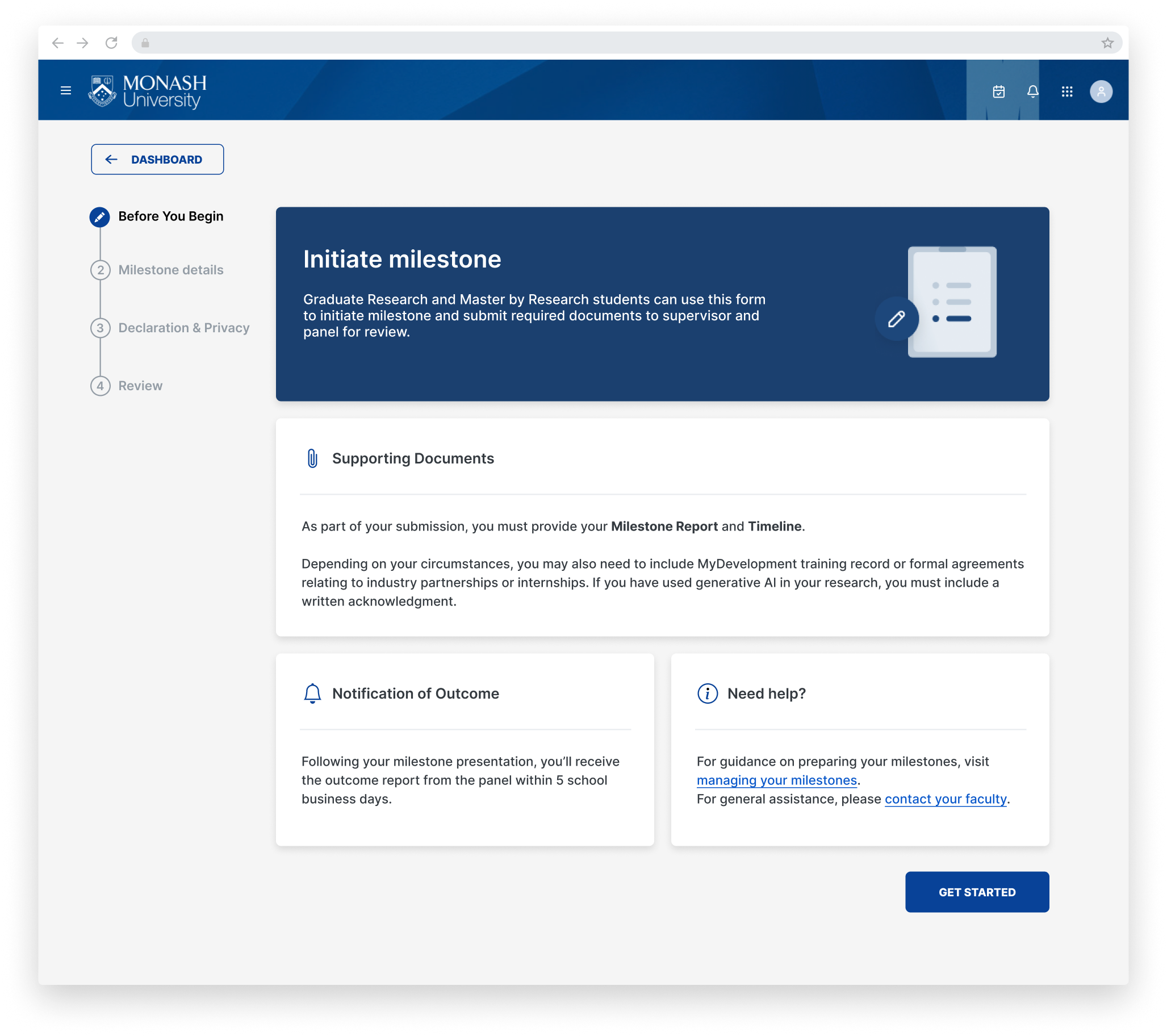
I designed the on-brand look and feel of 'Before your begin' page, using it as template for all other online applications to boost experience consistency.
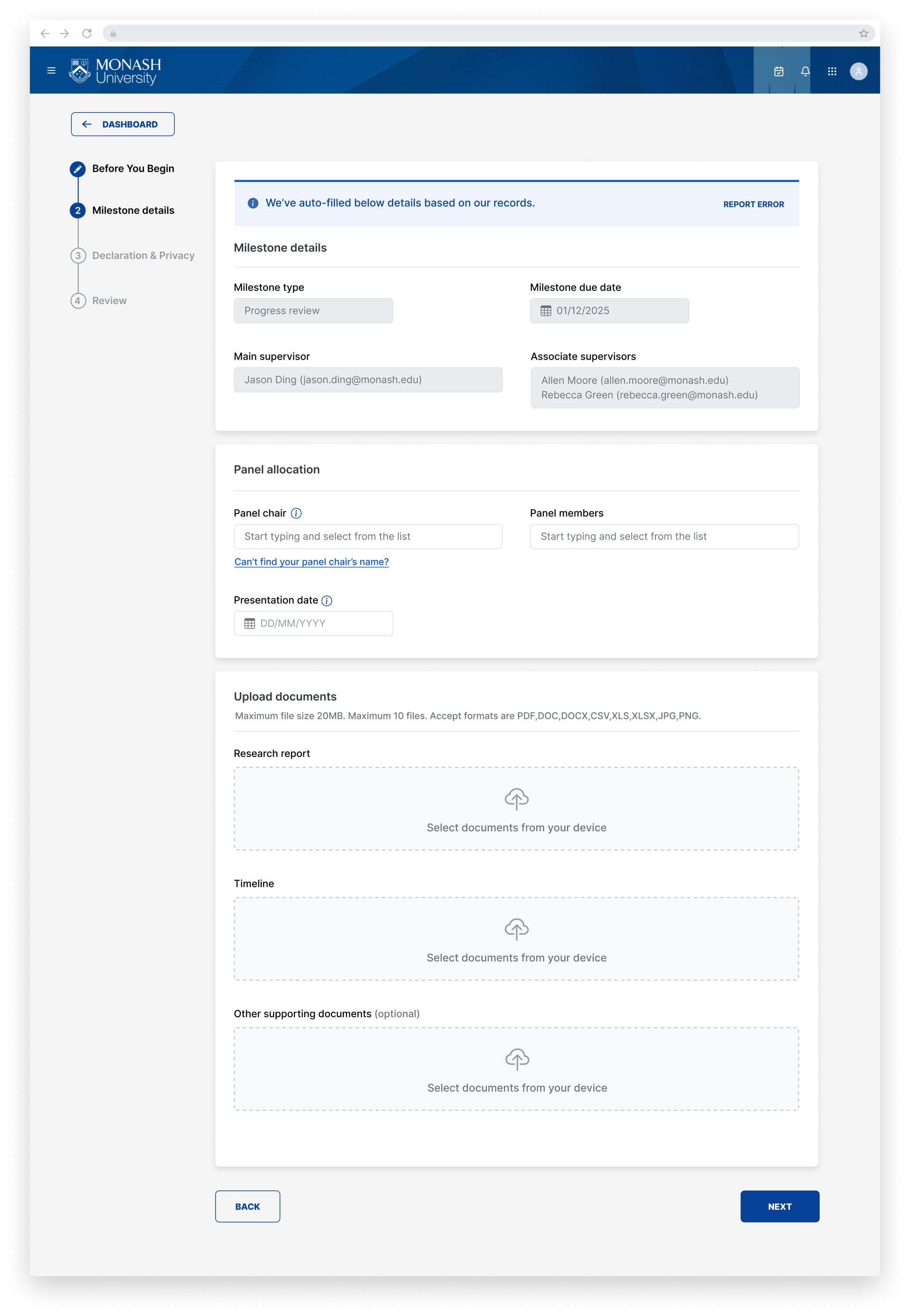
I uplifted the form design patterns and interactions with the guidelines like 'Progressive disclosure', 'Pre-populate known data to reduce user input repetition', 'Error-preventing fall back solution', etc.
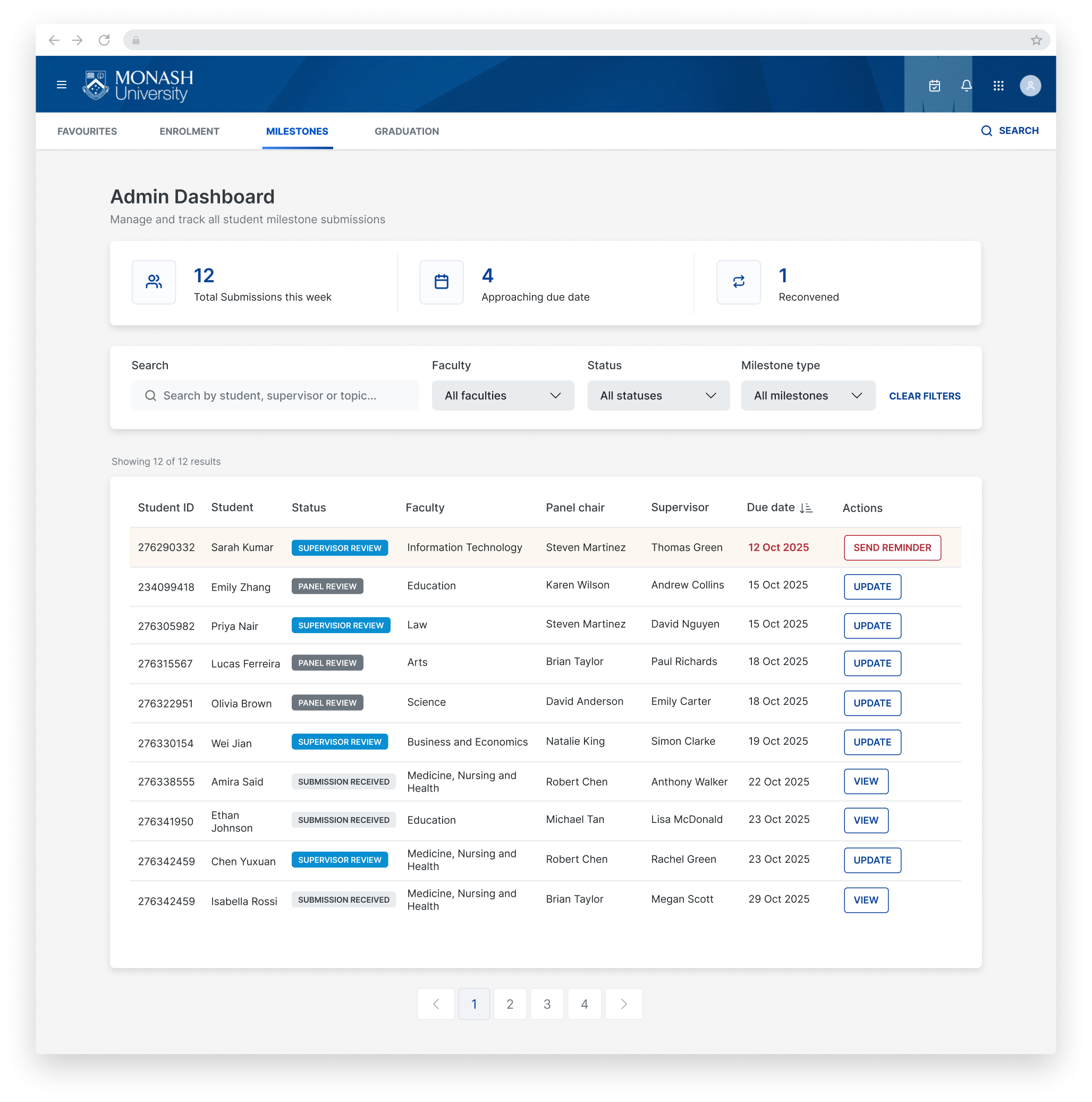
Building on this foundation, I designed a admin concept dashboard that centralised milestone tracking and management, improving visibility, efficiency, and administrative oversight.
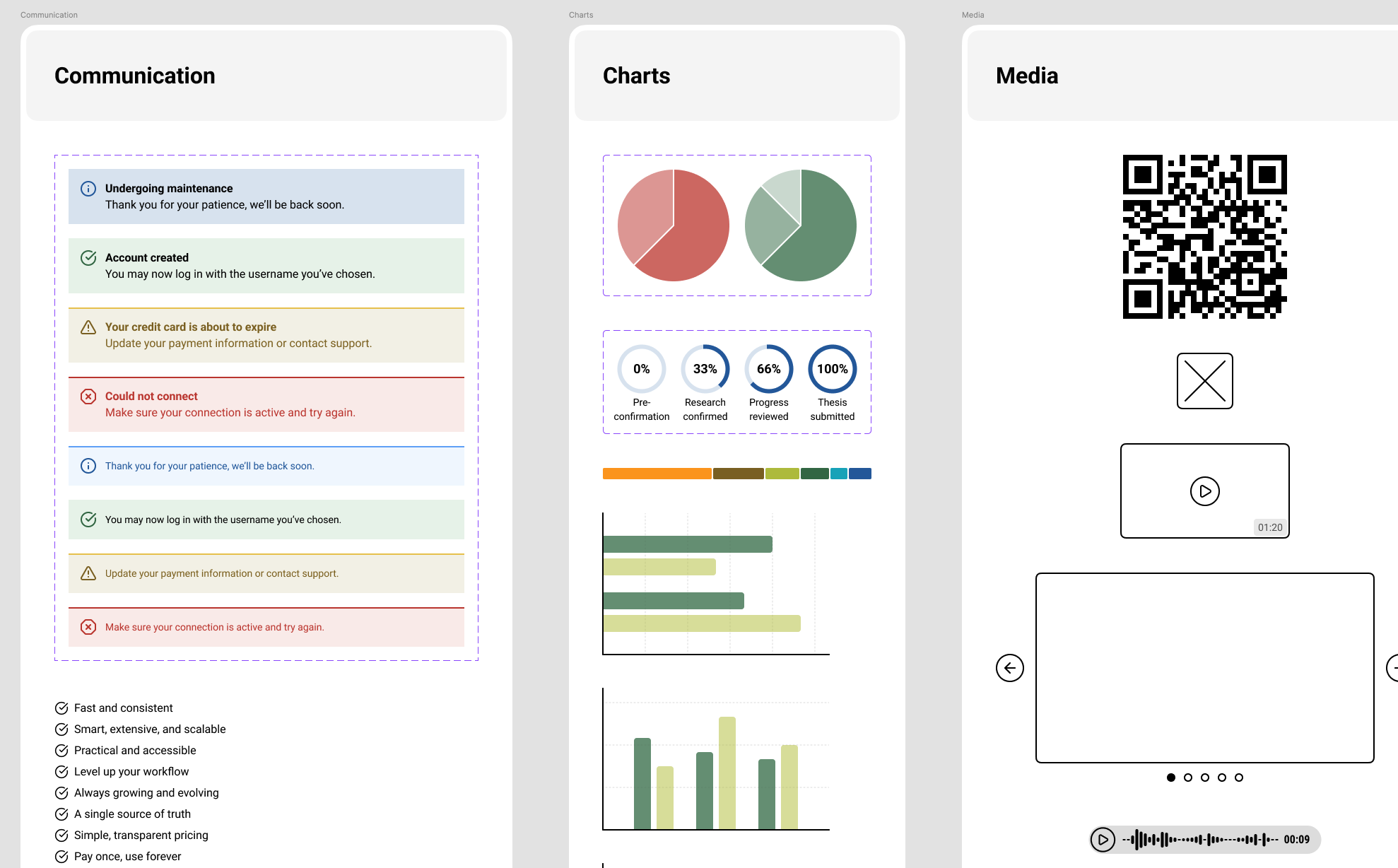
Alongside the experience design work, I established a Figma component library and introduced structure around how the team uses components, patterns, and documentation. This created greater consistency, improved delivery speed, and enabled scalable design across a team of five designers.
DesignOps practice that is used by 5 designers
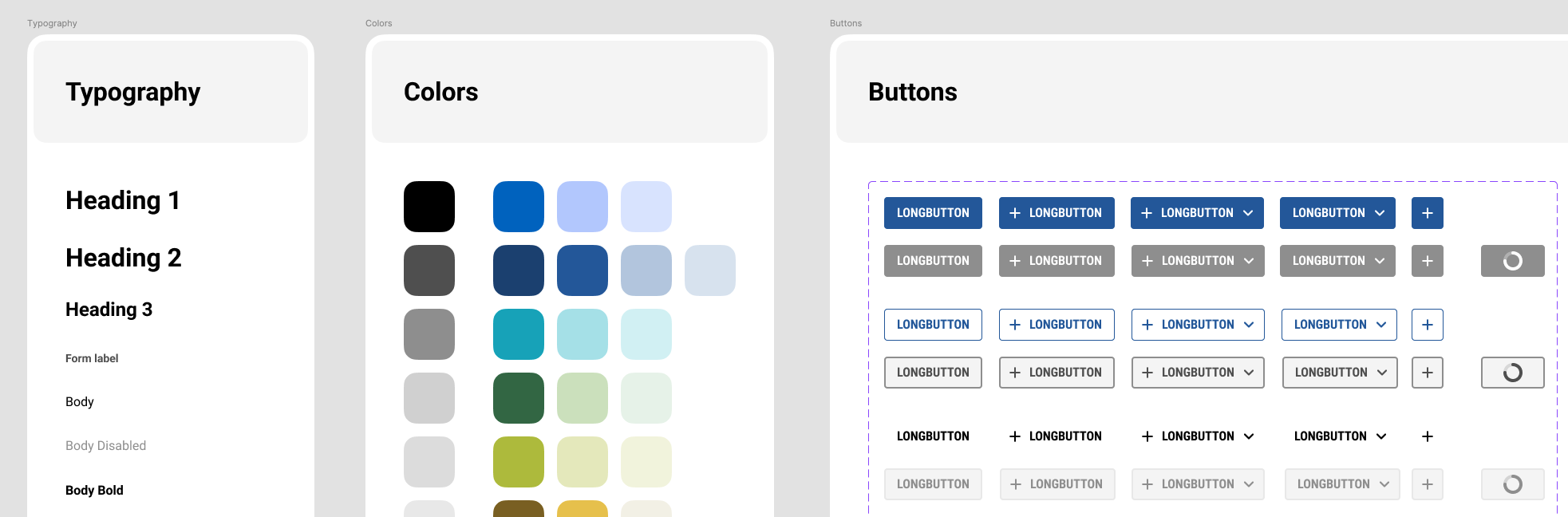
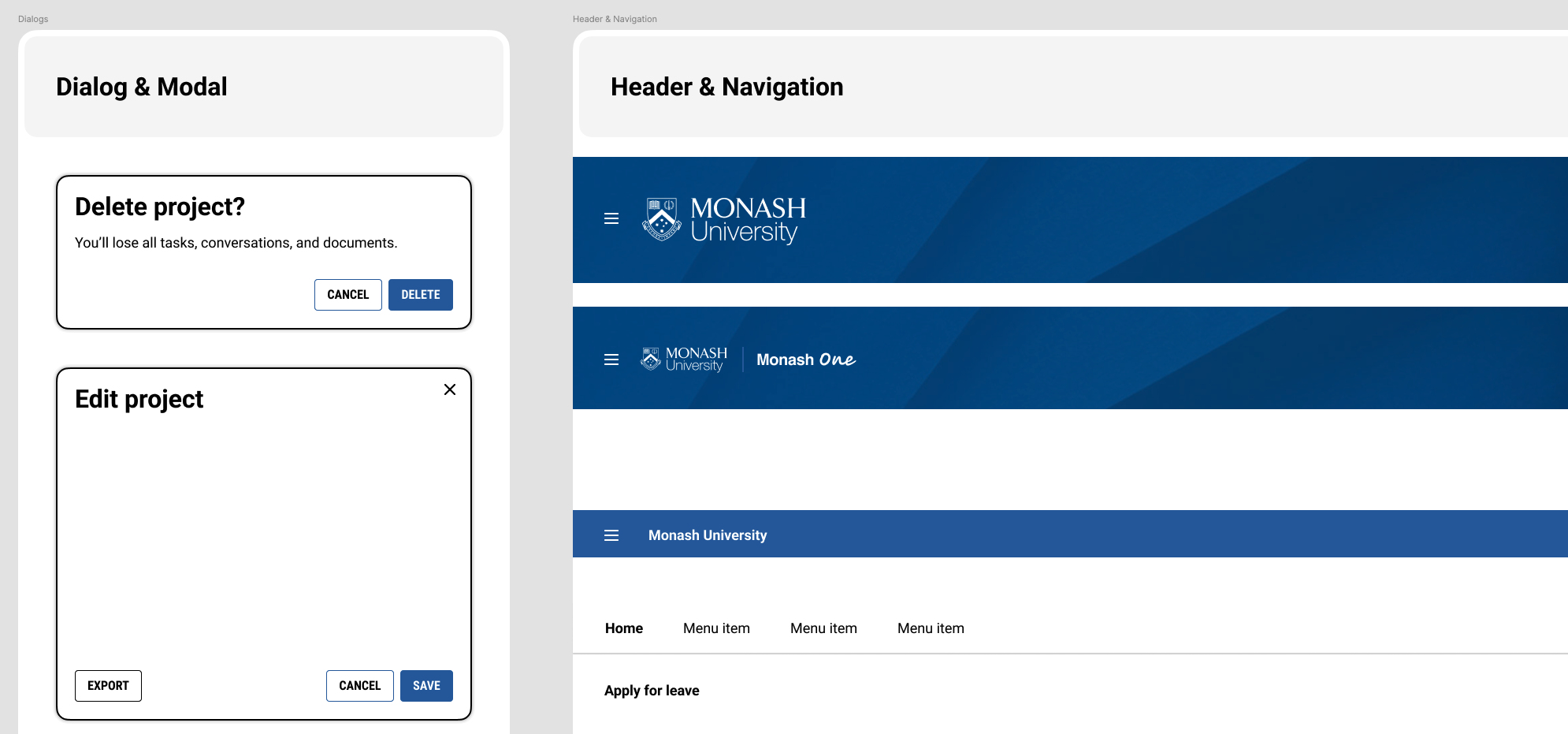
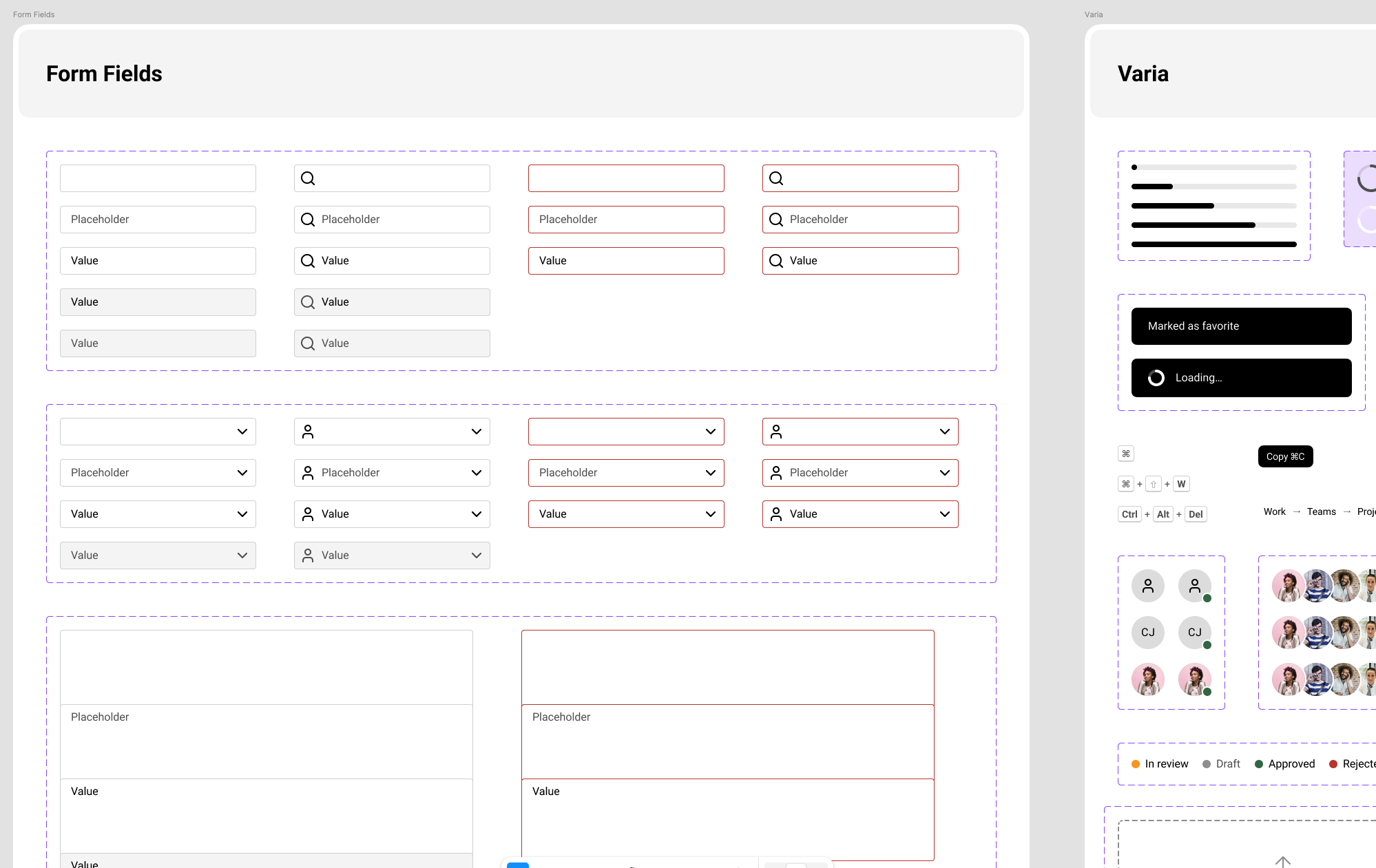
Created Figma design system that has been utilised by a team of 5 designers
Outcome & Impact
82%
Students satisfaction improved
0
Critical error in user validation testing
38%
Reduction in form time to complete
1
Iteration planned to simplify student initiation
“Now everything is much clearer. I can see my progress, and the reminders help me stay on track.”


Reflections
Reflecting on this project, the most challenging part was not the workflow redesign itself, but untangling the ecosystem of expectations, behaviours, and ownership that had evolved over time. The ambiguity within the program created uncertainty, but it also became an opportunity for design to lead.
This environment pushed me to step forward, align the team around a shared direction, and make thoughtful and sometimes difficult decisions without having complete clarity.